



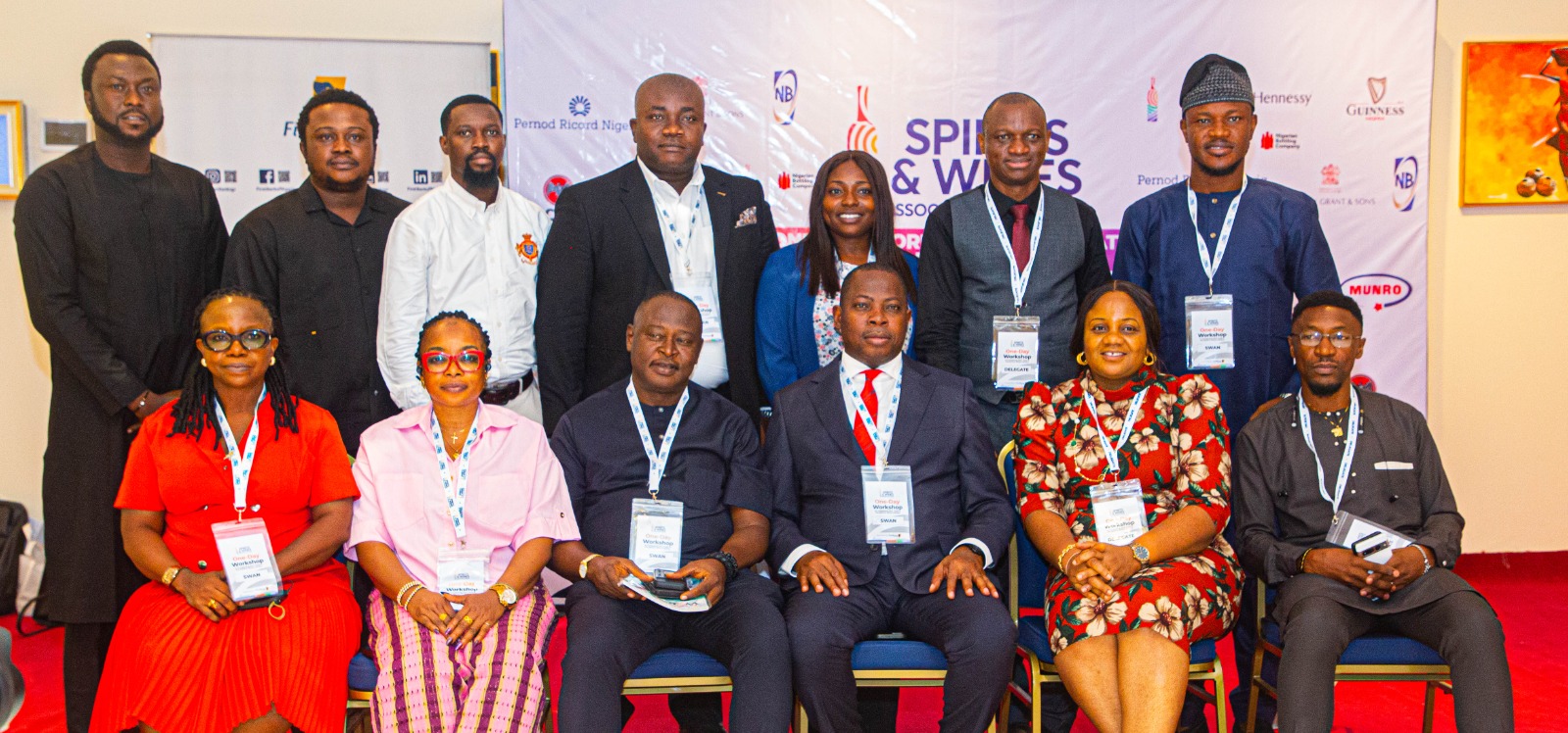
The Spirits and Wines Association of Nigeria (SWAN) has intensified efforts to sanitise the industry as stakeholders warned that illicit trade in wines and spirits continues to threaten public health, undermine legitimate businesses and deprive government of revenue.
The association, whose members include Bacardi, Guinness Nigeria, Nigerian Breweries, Pernod Ricard Nigeria, Moët Hennessy and Diageo, said illicit trade has become a major source of smuggling, tax evasion, counterfeit packaging and market distortions.
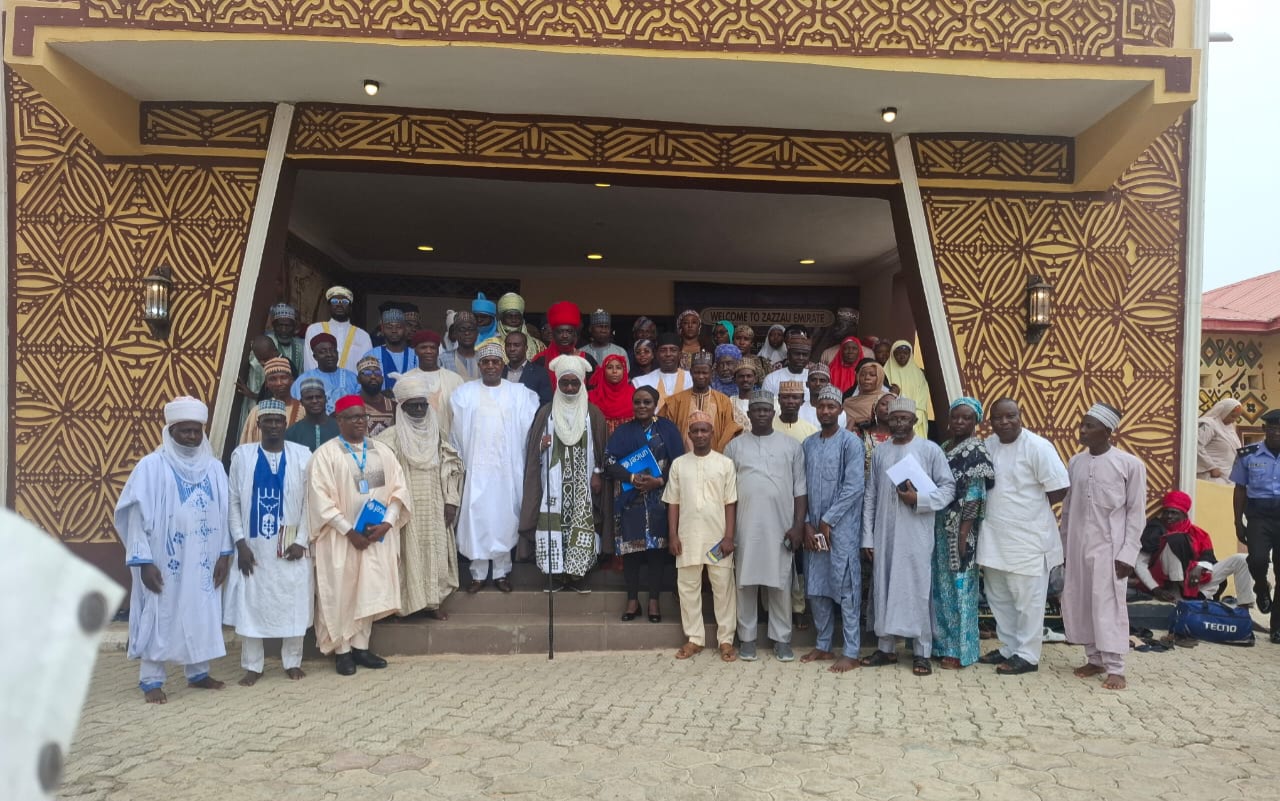
To address the growing menace, SWAN convened a high-level workshop in Abuja, bringing together regulators, law enforcement agencies, manufacturers, distributors, legislators, media practitioners and international organisations including Interpol and the Alliance Against Counterfeit Spirits.
Speaking at the event held at Abuja Continental Hotel on April 22, 2026, Managing Director of Pernod Ricard Nigeria and President of SWAN, Michael Ehindero, described illicit trade as a direct threat to both human lives and business integrity.
According to him, counterfeiters are increasingly replicating trusted brands and distributing fake products outside regulated systems while smuggling and parallel imports continue to bypass safety checks and taxes.
Ehindero warned that the impact extends beyond public health concerns, noting that governments lose billions in tax revenue while legitimate businesses investing in compliance and employment are unfairly undermined.
“This is not a victimless crime. It weakens entire value chains and slows national development,” he said.
Director General of SWAN, Tony Okwoju, called for stronger stakeholder collaboration and enforcement measures to combat the growing threat.
Providing a global perspective, Managing Director of the Alliance Against Counterfeit Spirits, David Francis, warned that counterfeit operations are becoming more sophisticated, with fake packaging materials mass produced abroad and shipped into domestic markets.
Executive Vice Chairman of the Federal Competition and Consumer Protection Commission, Tunji Bello, described illicit alcohol trade as a multidimensional crisis affecting consumer safety, market integrity and public revenue.
Participants at the workshop called for stronger laws, intelligence led enforcement, tighter border controls, increased public awareness and improved collaboration among stakeholders to curb illicit trade in the sector.