




By Joseph Kwewum
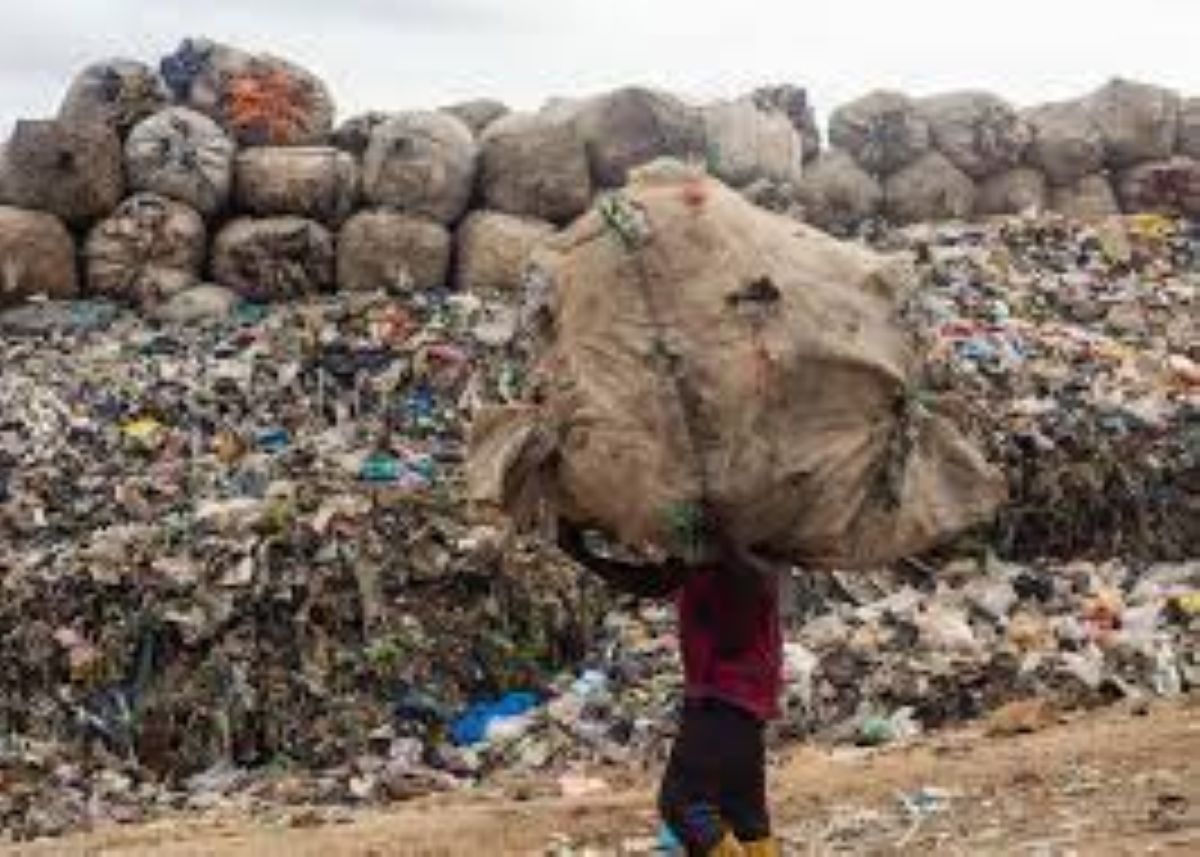
Nigeria continues to grapple with a multiplicity of socio-economic challenges, with energy deficiency and poor waste management standing out as two of the most pressing.
Available global indices on environmental performance and cleanliness consistently rank Nigeria low among nations. While specific positions vary across reports, the country remains significantly behind many developed and emerging economies in waste management outcomes. This situation is expected to worsen as Nigeria’s population, currently over 200 million, continues to grow rapidly. Projections indicate that the country could become the third most populous nation in the world by 2050, placing enormous strain on already inadequate waste management systems. Rapid urbanisation and industrialisation are also likely to increase waste generation, further compounding the challenge.
At the same time, Nigeria’s energy crisis remains unresolved. Despite being Africa’s largest economy, the country has struggled for decades with inadequate electricity generation and distribution.
The national grid is often characterised by instability, limited capacity, and the vulnerability to system collapses. Increased industrial activity and population growth are expected to intensify pressure on the grid, raising concerns about its ability to meet future demand.
Against this backdrop, Waste-To-Energy technology presents a potential dual solution. The concept involves converting municipal solid waste into usable energy, typically through controlled combustion.
The heat generated produces steam, which drives turbines connected to generators, thereby producing electricity.
This process is similar to conventional thermal power generation, though it uses waste as fuel instead of fossil resources such as coal.
Although Waste-To-Energy plants generally produce less electricity per unit of input compared to coal-fired plants, they offer environmental advantages when properly managed.
By reducing the volume of waste sent to landfills and lowering methane emissions, such facilities can contribute to improved sanitation and reduced environmental impact. However, it is important to note that these plants must meet strict emission standards to minimise air pollution.
Globally, countries such as Sweden have successfully integrated Waste-To-Energy into their waste management systems over several decades, using it as a complement to recycling and other energy sources.
In many developed economies, however, technology plays a limited role because more efficient or established energy sources such as natural gas, hydroelectric power, wind, and solar are widely available.
For Nigeria, where waste accumulation is a growing concern and energy supply remains inadequate, Waste-To-Energy could offer a practical supplementary option, particularly in urban centres.
Encouragingly, the University of Nigeria Nsukka (UNN) has taken a step in this direction by developing an organic Waste-To-Energy pilot plant.
The institution has indicated plans to expand its capacity to handle greater energy loads.
While still at an early stage, such initiatives demonstrate the potential for local innovation in addressing national challenges.
If properly developed and scaled, Waste-To-Energy projects could form part of a broader strategy to improve electricity supply and waste management in Nigeria. However, experts emphasise that such efforts must be complemented by investments in recycling, environmental regulation, and grid infrastructure.
As Nigeria seeks sustainable pathways to development, integrated solutions that address multiple challenges simultaneously may prove critical to unlocking long-term progress.