

By Joseph Kwewum
Though football has not been officially declared Nigeria’s national sport by law, it is unquestionably regarded as such in practice.
No other game commands the same level of passion, loyalty, and nationwide devotion like football.
It stands above all other sports as a source of pride and collective identity.
In a country often divided along political, ethnic, and religious lines, few moments generate unity as powerfully as when the Nigeria national football team, the Super Eagles, or the Nigeria women’s national football team, the Super Falcons, step onto the pitch in their bright green jerseys. During those matches, differences fade and millions of Nigerians speak with one voice.
Across the nation, weekend afternoons and evenings are shaped by football. It is a common sight to find groups of grown men and women engaged in animated debates about match results, refereeing decisions, and league standings.
Viewing centres are packed, homes are filled with cheers or groans, and social media becomes a battleground of opinions.
Football is woven into the rhythm of daily life. It is more than entertainment. It is culture, conversation, and community.
This vibrant football culture is a legitimate source of national pride.
The Super Eagles have long been one of the most successful teams in the Africa Cup of Nations, consistently competing at the highest level on the continent.
The Super Falcons have gone even further, establishing themselves as the most dominant women’s football team in Africa and earning global respect for their achievements.
Their victories have elevated Nigeria’s reputation internationally and inspired countless young people to dream of sporting greatness.
However, while football deserves its celebrated status, the overwhelming emphasis placed upon it raises important questions about the broader future of Nigerian sports.
The country’s scouting systems and grassroots development programmes appear to be almost entirely structured around identifying and nurturing football talent.
Given football’s success and popularity, this focus is understandable. Yet such concentration may also have unintended consequences.
From an early age, Nigerian children who show athletic promise are often directed toward football, particularly if they express any interest in sports.
This is not solely due to passion for the game. Limited funding, inadequate facilities, and a shortage of trained coaches in other sports restrict the available options.
Football fields are easier to establish than swimming pools, tennis courts, or indoor arenas. As a result, football becomes the default path for many young athletes, regardless of whether it aligns with their natural strengths.
Specialization in itself is not inherently harmful. Research on athletic development has shown that in certain sports, early specialization can be beneficial.
For example, disciplines that demand peak performance at a young age often require early focused training.
Nevertheless, even in countries where early specialization is common, children typically have access to a variety of sports before settling on one. They are encouraged to explore different activities, develop broad motor skills, and discover where their true talents lie.
Many of the world’s leading athletes did not commit to a single sport during childhood. They participated in multiple disciplines, refining coordination, balance, strength, and tactical awareness before specializing later.
This diverse athletic foundation often contributes to long term success. Exposure to different sports enhances overall development and reduces the risk of burnout or injury associated with early narrow focus.
Nigeria’s intense prioritization of football may unintentionally limit similar opportunities for its youth. Not every child is naturally suited to football.
Some may possess the height and agility suited for basketball. Others may have the endurance required for distance running, the explosive speed for sprinting, or the physical strength for rugby.
When the system channels the majority towards one sport, many potential stars in other disciplines remain undiscovered.
Recent developments suggest that Nigerian talent extends far beyond football. Athletes of Nigerian heritage have excelled in American football, basketball, athletics, volleyball, and rugby on international stages.
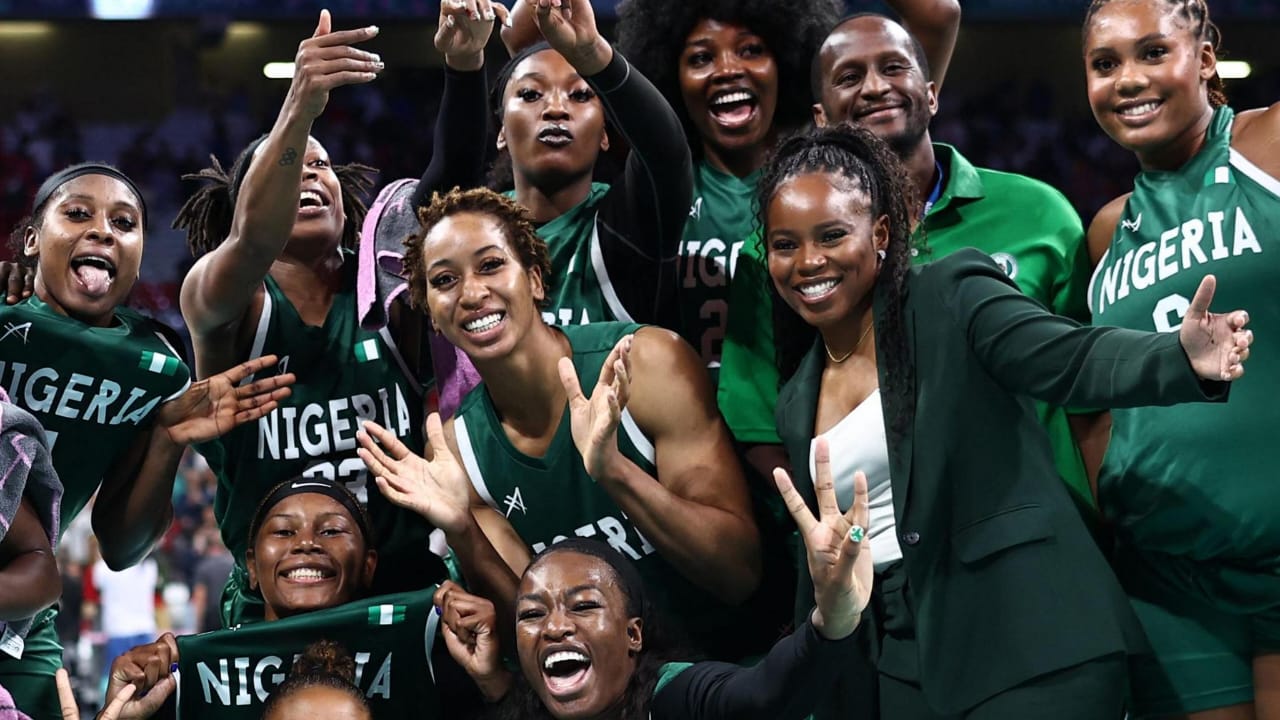
Within Nigeria itself, the women’s national basketball team, Nigeria women’s national basketball team, provides compelling evidence of what is possible even with limited resources.
D’Tigress won a record five consecutive AfroBasket titles and have risen to an impressive position in global rankings. Their success has come despite challenges related to funding and infrastructure, particularly in the context of women’s sports.
Their achievements demonstrate that talent is not Nigeria’s problem. The country possesses an abundance of gifted young people.
The challenge lies in identification, development, and investment. When systems are designed almost exclusively around football, they inevitably overlook children whose abilities might flourish elsewhere.
This narrow focus risks diminishing Nigeria’s overall sporting potentials and its chances of success in a wider range of global competitions.
Expanding support to other sports does not require diminishing football’s importance. Football can remain the nation’s most beloved game while space is created for other disciplines to grow. Greater investment in school sports programmes, improved training for physical education teachers, and more balanced allocation of funding across sports federations would provide young Nigerians with broader choices.
Increased media coverage of achievements in other sports other than football would also help reshape public perception and inspire new ambitions.
Diversification of sports would strengthen rather than weaken Nigeria’s sporting identity.
A wider athletic base would create more opportunities for international medals, professional careers, and national celebration.
It would also ensure that children who do not excel in football will still find pathways to achievement and personal development through other sports.
Football will likely continue to unite Nigerians in moments of triumph and disappointment. The sight of the Super Eagles and Super Falcons representing the nation will always stir emotion.
Yet a country of Nigeria’s size, diversity, and talent should not confine its sporting aspirations to a single game. By broadening its focus and nurturing excellence across multiple disciplines, Nigeria can build a more resilient and inclusive sporting future, one that reflects the full spectrum of its immense potential.