





By Joseph Kwewum
Genetically Modified Organisms (GMOs) are plants or animals whose genetic structure has been altered through genetic engineering. Unlike traditional breeding methods such as selective mating or natural recombination, genetic modification involves laboratory procedures that do not occur naturally.
Scientists directly alter the Deoxyribonucleic Acid (DNA) of an organism to introduce specific traits.
One of the major advantages GMOs have over conventional farming and animal breeding techniques is speed and precision. Traditional methods such as selective breeding often require several generations to achieve desired traits, including larger livestock or improved crop yield. Genetic engineering, however, makes it possible to introduce these changes within a significantly shorter period.
Modern techniques used in developing GMOs include Clustered Regularly Interspaced Short Palindromic Repeats (CRISPR), a technology that enables scientists to edit genes with remarkable accuracy by removing or replacing specific strands of DNA.
Another method is gene cloning, where genetic material from one organism is transferred into another to produce new characteristics. These technologies are commonly applied to enhance pest resistance, improve tolerance to harsh environmental conditions, and increase food production.
Despite scientific advancement, GMOs have remained controversial for decades. Public concern intensified in 1996 when Dolly the sheep became the first mammal cloned from an adult cell. The development sparked global debate about the ethical implications of altering living organisms.
For many, genetic modification raises moral and religious questions about interfering with nature.
Beyond ethical concerns, there are important economic considerations, particularly within the Nigerian context. In many developed countries, farmers receive substantial institutional support.
In the United States of America (USA), agricultural producers benefit from significant government subsidies. In Canada and across Europe, farmers enjoy strong policy backing and considerable political influence.
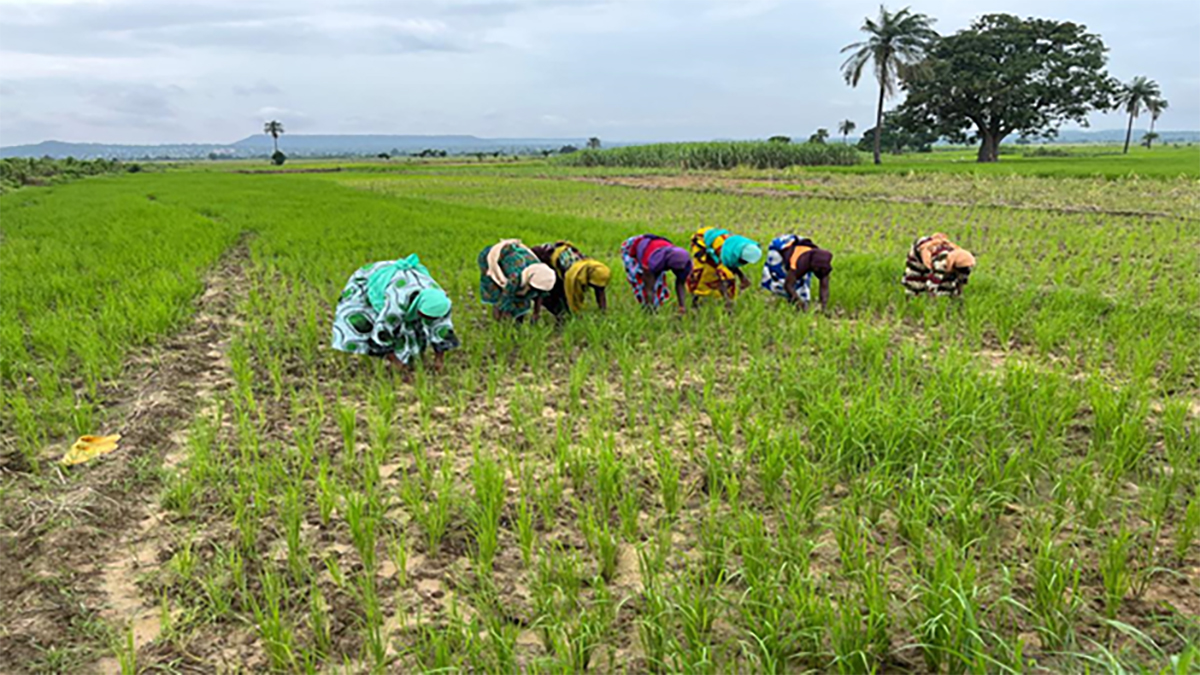
In Nigeria, however, the reality is starkly different. Farmers face insecurity, including attacks by armed groups that disrupt agricultural activities and threaten lives and livelihoods.
Most operate on a small scale and lack the financial capacity to compete with multinational corporations that dominate the GMO market.
The widespread introduction of GMOs into Nigeria could reduce food prices and increase supply. However, it may also destabilise local farming systems and undermine traditional agricultural practices that sustain rural communities.
Smallholder farmers could struggle to compete in a market shaped by advanced technology and corporate control.
Another major concern relates to seed ownership and control. Many GMO seeds are protected by patents held by large agricultural firms. In some cases, the seeds are engineered in ways that prevent farmers from saving and replanting them after harvest.
This compels farmers to purchase new seeds each planting season. Licensing agreements often prohibit seed saving, creating long-term dependency on seed producers.
Critics argue that such arrangements can be exploitative, particularly in countries where farmers lack strong legal and institutional protection.
For Nigerian farmers, this dependency could prove damaging. Without adequate regulation, access to credit, and effective safeguards, the adoption of GMOs may deepen existing inequalities within the agricultural sector.
Resistance to GMOs in Nigeria, therefore, reflects a combination of cultural caution, economic vulnerability, and concern over corporate dominance.
While consumers may benefit from cheaper and more abundant food, many remain wary of the long-term implications for food sovereignty and rural livelihoods.
As genetic engineering continues to evolve, future innovations may address some of these concerns. For now, the debate over GMOs in Africa’s most populous nation underscores the delicate balance between scientific progress and the protection of local farmers.