



By Shu’aibu Usman Leman
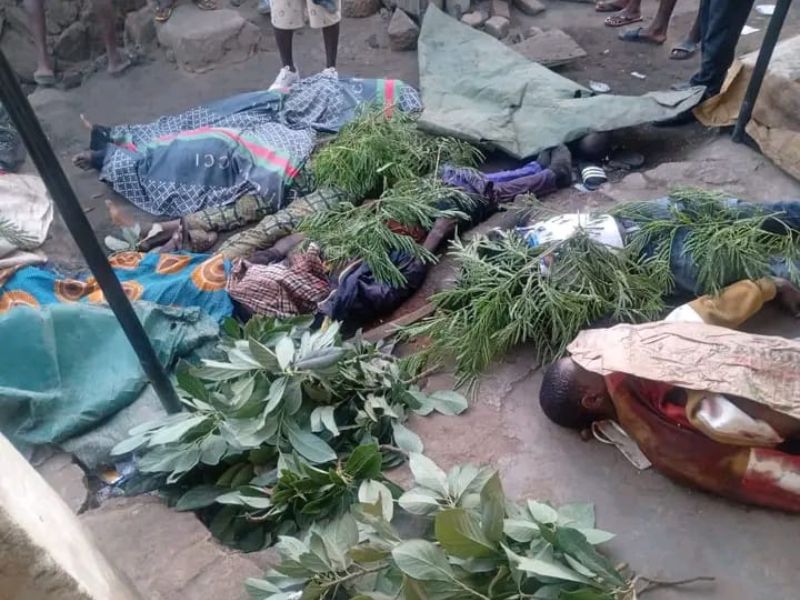
On Palm Sunday, Angwan Rukuba, once a quiet community in Jos, was plunged into a scene of horror. Gunmen stormed the bustling community, leaving men, women, and children either dead or wounded.
The attack was swift, merciless, barbaric, and deeply personal. This was not an isolated incident. It is the latest chapter in a pattern of escalating violence in Plateau State that I have been documenting since 2024.
At that time, the bloodshed appeared largely confined to rural areas. Today, it is moving into urban spaces, threatening the very soul of Jos, the city so much love for its temperate whether condition.
This shift from remote agrarian clashes to attacks within the city suggests a deliberate change in strategy by the perpetrators, who now target centres of commerce and governance that sustain the state.
The fear that once lingered at the edges of public consciousness has now reached people’s doorsteps. Streets once considered safe are overshadowed by a growing sense of danger.
Families who moved about freely only hours earlier now hesitate at every turn. This psychological transformation may be the most damaging consequence. When the city centre, a symbol of authority and civil order, becomes a battleground, the social fabric begins to unravel.
Residents described the attackers as calm and methodical. They reportedly arrived in disguise before opening fire. Their composure points to a disturbing level of confidence, suggesting they believe they can act without consequences.
This degree of organisation indicates that these are not spontaneous outbreaks of violence but carefully planned operations designed to exploit weaknesses in an overstretched security system.
In response, the Plateau State Government imposed a forty-eight hour curfew in Jos North. While this may help prevent further immediate violence, it cannot restore the lives lost or erase the fear now gripping the city. Curfews serve as temporary measures. They restrict the movement of law abiding citizens, while perpetrators often disappear and wait for restrictions to ease.
The deeper causes of violence in the region remain unresolved. Disputes over land, identity, religion, and access to resources continue to fuel tensions, compounded by inadequate security responses. This latest attack demonstrates that these underlying issues have not been addressed.
Angwan Rukuba is no longer a distant concern. It stands as a stark warning. Violence that once seemed confined to the margins is now advancing, and Jos can no longer consider itself immune. Efforts at reconciliation have too often prioritised appearance over substance, failing to confront the fundamental struggles for survival and identity.
Families have been displaced.
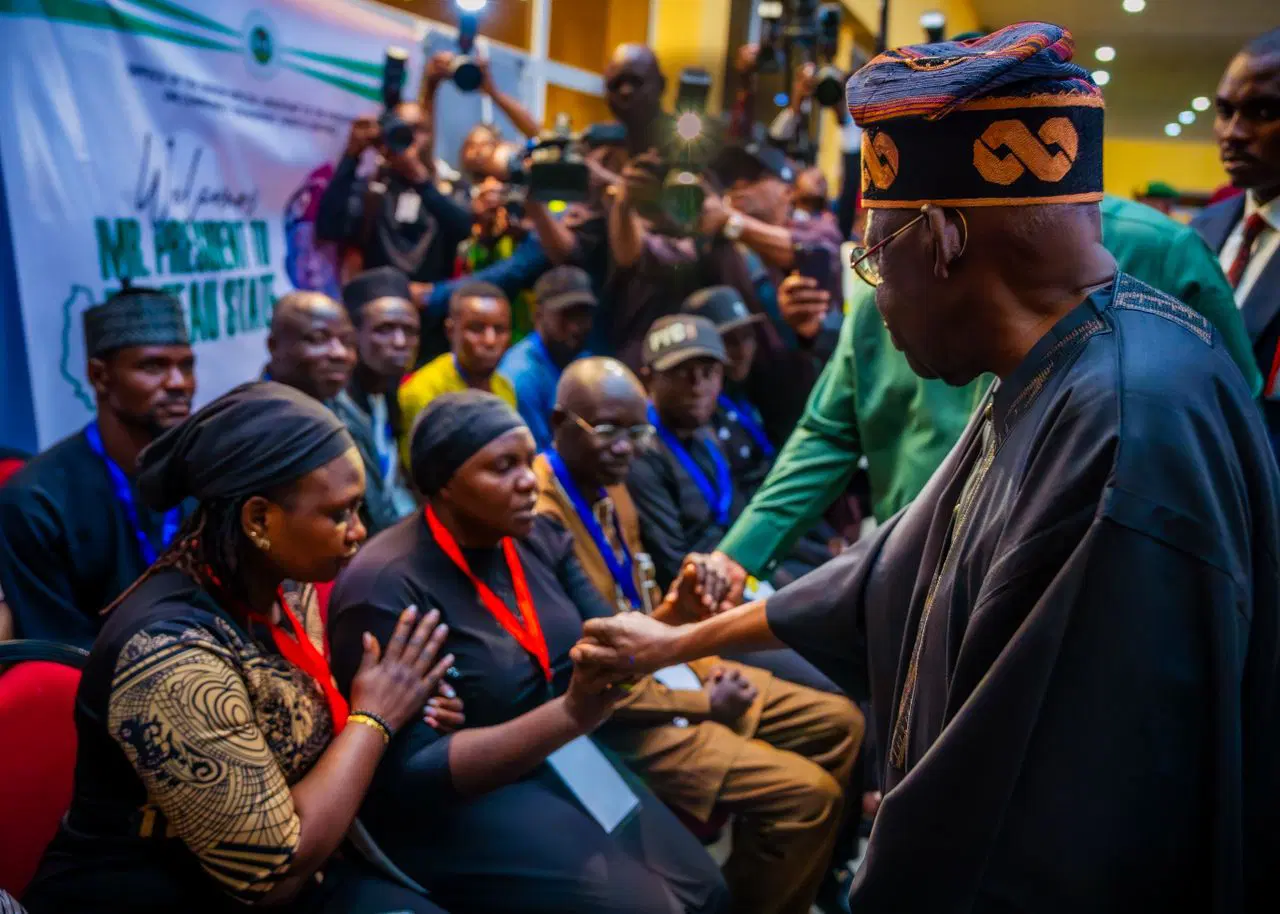
Children mourn the loss of parents and neighbours. Homes that once offered safety are now marked by violence and trauma.
Each visit to affected communities leaves a lasting impression, but this attack to the centre of Jos makes the urgency impossible to ignore.
The consequences will endure for generations, deepening cycles of grief and resentment that are increasingly difficult to break.
Living under constant threat carries a heavy psychological burden. Fear is no longer abstract. It is immediate and ever present. Residents move cautiously, uncertain of where danger may lie.
They speak of sleepless nights, quiet anxieties, and children too afraid to step outside. This climate of vigilance erodes daily life, weakens local economies, and breeds mistrust among neighbours.
Official statements, however well intentioned, cannot replace real protection. Citizens require visible security, transparency, and accountability. Words offer little comfort in the face of violence. Both vigilante groups and formal security forces often struggle to respond effectively, frequently arriving after the damage has been done.
Without a coordinated and proactive approach that combines community intelligence with rapid response, such tragedies are likely to continue.
The tensions driving this violence remain unresolved. As attacks move closer to the city centre, these pressures risk igniting in areas once thought secure. The tragedy at Angwan Rukuba must serve as a turning point.
The city cannot afford to wait for another attack before taking action. Prevention must take priority over reaction. This requires moving beyond reactive policing and investing in genuine conflict resolution, as well as stronger internal security management.
I have spoken with residents who are deeply afraid for their children, hesitant to step outside, and exhausted by persistent uncertainty. Their fears are justified. The threat is no longer distant.
This moment demands a thorough reassessment of security strategies, community engagement, and government response.
A question I raised in April 2025 remains painfully relevant. How many more lives must be lost before meaningful peace returns to Plateau State? This latest tragedy only intensifies that question.
Jos deserves decisive action, not empty assurances. Its people deserve to live without fear, raise children in safety, and move freely without the shadow of violence.
If urgent steps are not taken, such attacks may spread to other urban centres. Recent suicide bombings in Maiduguri serve as a reminder that violence often shifts to areas that are unprepared. Plateau State must not continue on this path.
The threat is advancing, and with each passing day, the risk grows. The time to act is now, with clarity, determination, and urgency, before another tragedy strikes at the heart of Jos.