



By Joseph Kwewum
By 2050, Nigeria’s population is projected to rise dramatically, with estimates placing the figure between 350 million and 400 million, and possibly as high as 500 million.
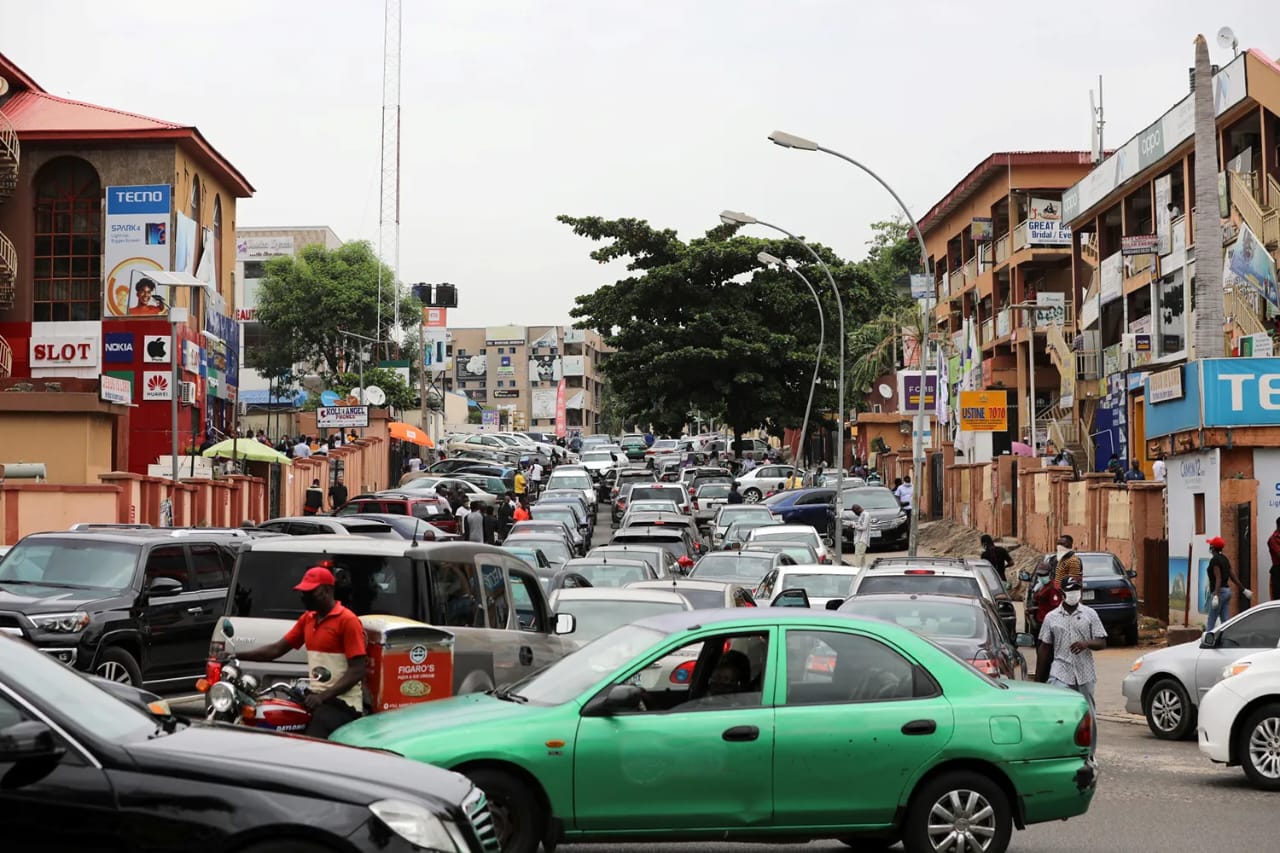
Such growth would cement the country’s status as one of the most populous nations in the world. However, rapid population expansion inevitably brings complex challenges, chief among them urban congestion, a problem that even advanced economies continue to grapple with.
Nowhere is this challenge more evident than in Lagos. According to World Population Review 2024, Lagos has a population density of 6,871 persons per square kilometre. This figure surpasses that of Toronto, which stands at 4,149.5 persons per square kilometre, and London at 5,690 persons per square kilometre. With projections indicating that Lagos could triple in population in the coming decades, the strain on infrastructure is expected to intensify significantly.
Both London and Toronto are familiar with debates surrounding urban congestion, rising rents and traffic bottlenecks. Yet, one defining feature they share is the existence of extensive and functional transit systems. The Toronto Transit Commission operates one of North America’s most efficient public transport networks, while the London Underground and Overground remain central to mobility in the United Kingdom’s capital. Despite their imperfections, these systems transport millions of commuters daily, sustain economic productivity and reduce the number of vehicles crowding city streets.
In contrast, Lagos and the Federal Capital Territory, Abuja, lack similarly efficient mass transit systems. Public buses are slow and insufficient in number. Roads, though undergoing gradual improvements, remain overstretched, particularly in major commercial hubs. Persistent traffic congestion has also created opportunities for non state actors to exploit stranded motorists, compounding the hardship faced by workers and businesses alike.
As Nigeria prepares for an unprecedented population surge, the development of reliable urban transit infrastructure can no longer be postponed. A strategic and forward-looking approach is required, particularly in Lagos and Abuja, the country’s two most significant urban centres.
One viable solution lies beneath the surface. Underground tunnelling for railways and vehicular passage offers a proven pathway to building resilient transit systems.
Tunnelling involves the excavation of horizontal passageways beneath or through obstacles to facilitate transport infrastructure. Around the world, it has formed the foundation of some of the most renowned transit networks, including the Toronto subway system and the London Underground.
Various construction techniques exist to support underground development. Tunnel boring machines enable the excavation of large subterranean spaces with precision.
Sequential excavation methods allow for phased construction in smaller sections, often combining mechanical and manual processes.
The cut and cover method, which involves excavating a trench and constructing a reinforced roof structure capable of bearing surface loads, has also been widely deployed in urban settings.
Globally, underground tunnelling has proven indispensable to sustainable city building.
For a nation anticipating a population increase of up to 100 million within a few decades, proactive investment in such infrastructure is not merely desirable but essential. Delayed action risks overwhelming existing systems and triggering widespread infrastructure failure.
Nigeria stands at a critical juncture. The decisions taken today regarding urban transportation will determine whether its cities evolve into engines of prosperity or descend into chronic congestion. Strategic investment in modern, underground transit systems may well define the difference.