





By Joseph Shawulu Kwewum
A vaccine is not a cure, and it is not a treatment. If you already have an illness, taking a vaccine will not make it disappear the way pain medicine can stop a headache. Vaccines are meant to prevent disease, not to treat it after you are sick.
They help protect people from bacteria, viruses, and fungi that their bodies have not yet met. Vaccines have been used for hundreds of years, with early forms recorded as far back as 16th century China.
In recent years, vaccines have become a source of heated debate. This became worse during the COVID 19 pandemic.
The rush to develop vaccines, along with new variants, booster shots, and different vaccine types, made many people confused and doubtful. This doubt has spread and caused people to question vaccines in general, which has been harmful.
Strong scientific evidence shows that COVID 19 vaccines saved lives. One major study found that these vaccines prevented about 14 million deaths worldwide in their first year.
They also reduced the chance of dying from COVID 19 by 70 to 95 per cent.
In the United States, vaccines were estimated to have prevented up to 1.1 million deaths and 10 million hospital stays by November 2021.
Despite this evidence, false stories about vaccines spread widely. Some alternative media figures promoted fear and conspiracy theories, which made many people distrust vaccines.
Fear around vaccines did not start in 2020. Years earlier, Andrew Wakefield falsely claimed that vaccines cause autism.
His claim was based on a very small study of only 12 children and was later proven to be false.
Much larger and better studies showed no link between vaccines and autism.
For example, a Danish study that included many thousands of children found no connection.
A study in Japan also showed that autism rates continued to rise even after the MMR vaccine was stopped. Wakefield later lost his medical license because his research was dishonest.
The harm from these false claims is still being felt today.
In 2025 and 2026, the United States and Canada reported their first measles cases in more than ten years. This happened because fewer people were getting vaccinated.
As vaccine refusal spreads around the world, countries like Nigeria must be especially careful. Outbreaks of contagious diseases can be harder to control where health systems are already under pressure. It is wise to be cautious about unsafe or unlicensed vaccine sellers.
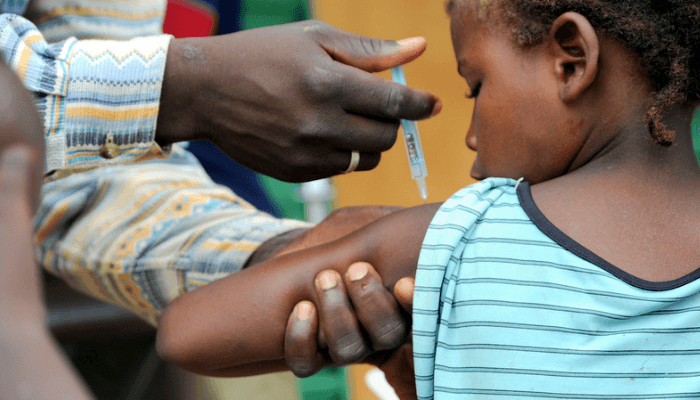
However, vaccines offered by registered doctors and hospitals are meant to protect you and your child. Following their advice can truly save lives.
Vaccines are encouraged not because of a secret plan by governments or drug companies but because of herd immunity.
Herd immunity means that when many people are protected, diseases cannot spread easily. This helps protect those who are most vulnerable.
Herd immunity is especially important for newborns and young children who cannot fully protect themselves.
In Nigeria, children under the age of five are the most at risk of polio, and they make up most cases reported since 2024. The inactivated polio vaccine is very important.
It uses a killed form of the virus, so it cannot cause paralysis, but it still teaches the body how to fight polio.
Nigeria’s population is expected to grow in the coming years.
This means we must work together to keep one another healthy.
Vaccine denial is rising, and anti science ideas are becoming more common.
It can be hard to ignore arguments online, in the media, or even from public figures we trust.
But a strong and healthy nation is not built on the idea that only a few will survive while others suffer.
We must choose collective care over fear. Diseases do not respect borders or neighbourhoods. Today it may be Zamfara, tomorrow it could be next door to you.
In a country of 200 million people, everyone loses if we do not act together.
Vaccinating yourself and your child protects your family and your community and may even save the life of a child near you.