


By Joseph Kwewum
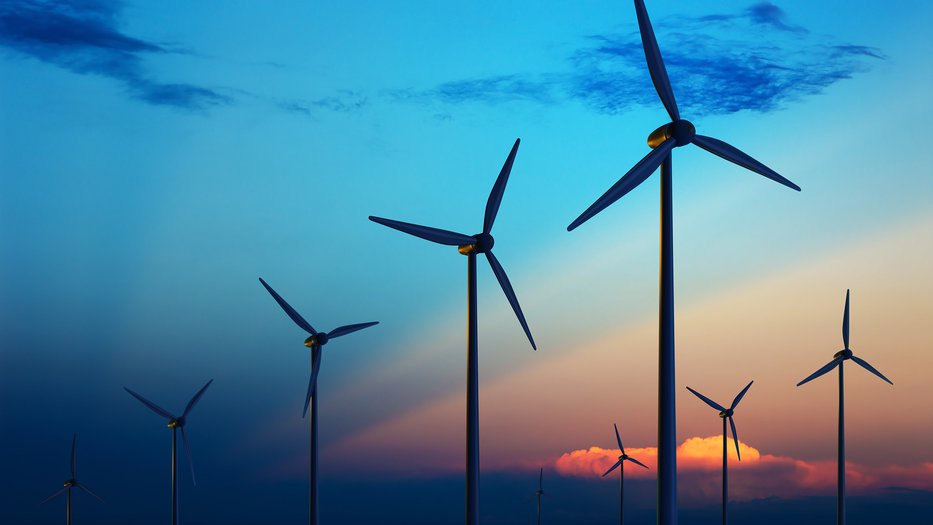
A wind turbine is a device that uses angled propellers to capture wind and convert rotational motion into electricity through a generator, allowing energy to be stored for later use. Most wind turbines are larger than a typical housing unit, but what they sacrifice in space they compensate for in power generation. An average wind farm can produce up to 2,000 megawatts of electricity per month for smaller communities and up to 58,000 megawatt hours for larger populations, which is sufficient to power approximately 55,000 homes.
Wind turbines are unique among decentralized energy solutions due to their significant upfront costs and the need for site specific design. Unlike hydro or solar energy systems, which tend to deliver consistent output provided they are not exposed to extreme temperature conditions, wind turbines are highly dependent on location. If installed in unsuitable environments, their energy output can drop significantly. The engineering and craftsmanship involved in building a wind turbine should not be underestimated, as a turbine designed for high altitude conditions would perform poorly if deployed at ground level.
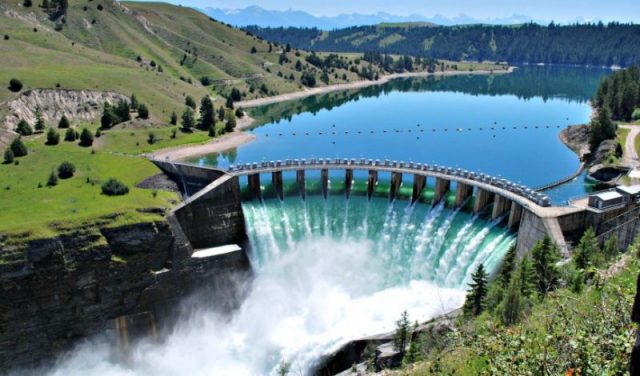
Despite these limitations, wind turbines offer notable advantages over other major renewable energy sources. They require less maintenance than solar farms and are considerably cheaper to construct than hydro electric dams. In many cases, wind farms recover their construction costs in just over five years, which is far quicker than hydro electric projects that often take up to twelve years to become financially viable.
Nigeria and its citizens are in urgent need of industrial growth, as many households and businesses struggle to secure reliable electricity. In response, solar panels have become a common sight across residential estates, with rooftops covered in an effort to gain control over energy supply. While reliance on solar energy has grown due to the inconsistency of the oil powered national grid and the limited reach of hydro electric power, Nigeria must consider alternative solutions. The country possesses vast stretches of arid, flat land that could be effectively utilized for wind farms. A single large scale wind farm, occupying an area no larger than Gwarimpa Estate in Abuja, could theoretically provide uninterrupted power to over 65,000 homes.
Many villages and towns across Nigeria still lack access to stable electricity, and the financial burden of extending the national grid to these areas could place unsustainable pressure on public budgets. Such expansion may also be viewed as governmental overreach by local communities. In contrast, decentralized wind farms funded by local or state governments and built on unused land could offer a flexible and efficient alternative. Consistent power supply would ensure resilience during national grid failures, while also stimulating local economies. Large energy projects typically generate employment opportunities in construction, engineering, and maintenance, ensuring long term economic benefits and faster operational timelines.
As the challenge of Nigeria’s industrialization becomes increasingly urgent, it is essential to remain open to diverse strategies for development. A decentralized power system would not only strengthen the economy but also act as a safeguard against forces that seek to undermine national sovereignty.