
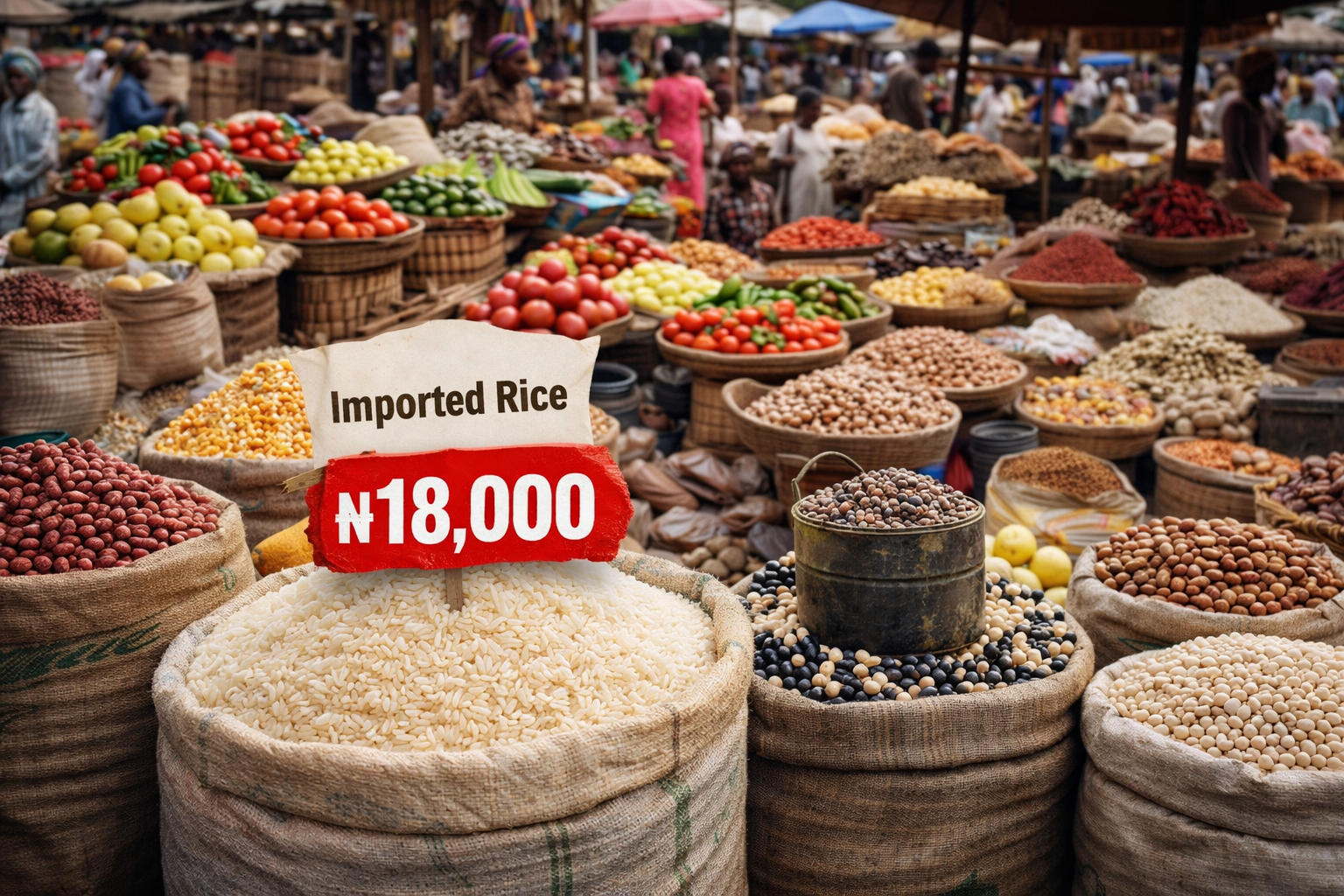
Cheap food should be good news. But in Nigeria today, falling food prices are quietly destroying farmers, livelihoods, and the future of agriculture.
In this episode of The Other Side, hosted by Rimamnde Shawulu Kwewum, we examine a troubling paradox at the heart of Nigeria’s economy: why lower food prices — driven largely by massive imports of rice, maize, and grains — are pushing local farmers into debt, abandonment of farms, and in some cases, outright criminalisation.
Nigeria’s Minister of Finance and Coordinating Minister of the Economy recently announced that the government would move to support farmers after food prices fell below production costs in many parts of the country. On the surface, the claim sounds reassuring. But on the ground, the reality is far more disturbing.
Across farming communities, crops are being left unharvested because the cost of harvesting now exceeds what farmers can earn at the market. During the recent harvest season, maize that sold for about ₦65,000 per 100kg bag last year collapsed to as low as ₦18,000 in parts of the Abuja axis. Meanwhile, the cost of inputs — fertiliser, seeds, herbicides, labour — has continued to rise sharply.
A bag of fertiliser that once sold for ₦38,000 now goes for between ₦50,000 and ₦60,000. For many farmers, even a good harvest no longer guarantees the recovery of costs. In one heartbreaking case highlighted in this episode, a farmer who cultivated 100 hectares of rice abandoned his entire field after realising that harvesting alone would cost more than the value of the crop at prevailing market prices.
This crisis is not only economic — it is social. Young farmers who borrowed money to farm, following practices that worked in previous years, are now unable to repay loans. Some have been arrested. Others have fled their villages, unable to face lenders. Entire rural communities are being hollowed out, even as government officials celebrate cheaper food in urban markets.
Rimamnde Shawulu situates this crisis within a broader policy failure. While Nigeria relies heavily on food imports, countries like the United States openly subsidise agriculture to stabilise prices, protect farmers, and preserve rural employment. In some historical cases, governments even bought excess produce to maintain price stability — not because markets failed, but because food security was considered too important to leave to chance.
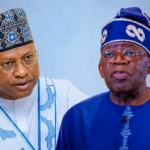
Former Botswana President Mokgweetsi Masisi, after touring farms in Ekiti State, publicly advised Nigeria to create an enabling environment for farmers through deliberate policy choices: subsidies, infrastructure, regulation, and incentives. As he noted, agriculture anywhere in the world does not survive without state support.
Yet in Nigeria, farming remains largely peasant-based, unsupported, and exposed to market shocks. The result is predictable: young people are discouraged from entering agriculture, investment is destroyed, and food security becomes increasingly fragile.
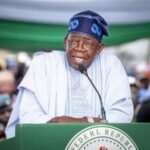
This episode also raises urgent questions for the Tinubu administration. Why have thousands of commissioned tractors not been released to farming cooperatives? Why are fertilisers still unaffordable at the start of the planting season? Why do subsidies often end up with middlemen rather than real farmers? And why does government intervention arrive late, after the rains have already begun?
The warning is clear. If Nigeria continues to depend on imports while neglecting local producers, jobs will be exported to other countries, rural economies will collapse, and future food shortages will become inevitable.
The Other Side goes beyond headlines to expose the structural contradictions shaping Nigeria’s governance, economy, and democracy. This episode is essential viewing for policymakers, farmers, analysts, and citizens concerned about food security, employment, and national stability.
If you care about where Nigeria is headed — and what must change — this conversation matters.
🔔 Subscribe for weekly insights on Nigeria’s politics and democracy.