
By Shu’aibu Usman Leman
The 2026 budget of the Federal Republic of Nigeria has provoked intense public debate, not merely because of the figures it contains, but because of what those figures reveal about national priorities. In a period of deepening hardship, budgets are no longer neutral financial instruments, they are moral statements.
As Nigerians scrutinise the document, two issues stand out with unsettling clarity, the scale of expenditure on official vehicle procurement and maintenance, and the continued neglect of locally manufactured vehicles, even by the State House.
It is profoundly troubling that government officials persist in favouring foreign made vehicles while domestic automobile assembly plants struggle to survive. This preference weakens local industry, drains scarce foreign exchange, and contradicts repeated calls for economic self reliance.
While local manufacturers face closures and job losses, foreign companies continue to benefit from Nigerian public funds. The message is unmistakable, local enterprise is expendable, but official comfort is non-negotiable.
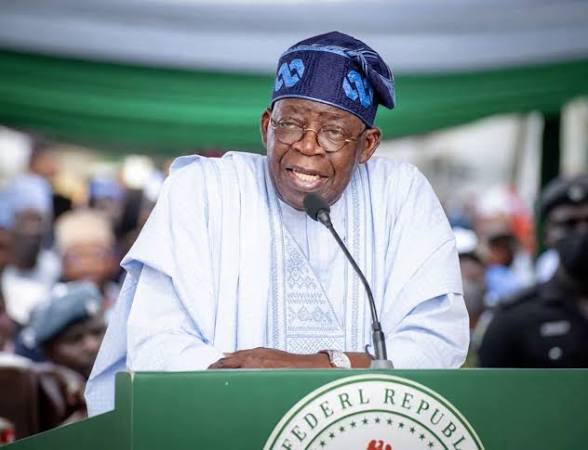
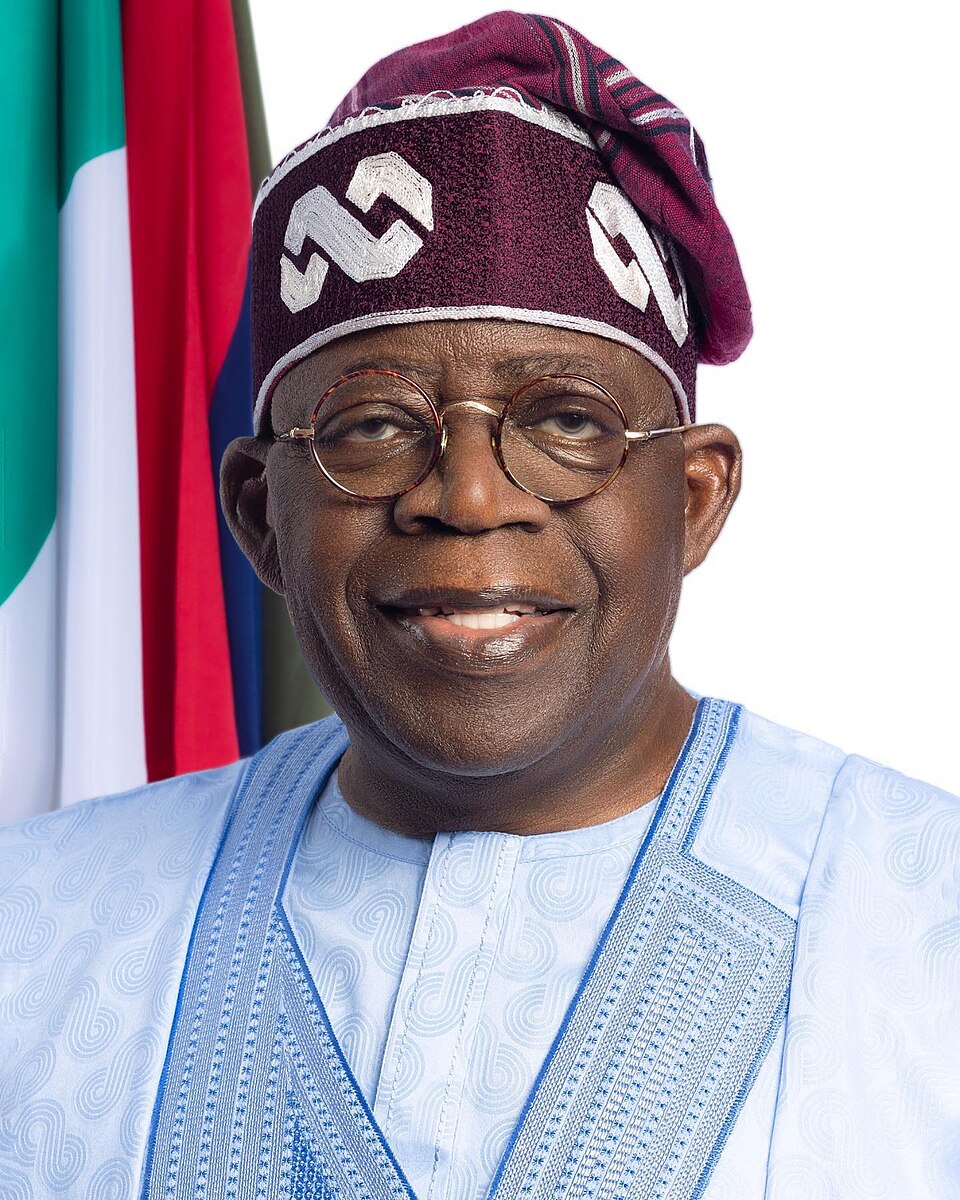
Under President Bola Tinubu’s administration, the 2026 budget proposes ₦3.3 billion for the purchase and replacement of vehicles.
In more stable economic times, such expenditure might pass without comment. These are not stable times.
Nigeria is in the grip of a severe cost of living crisis. Inflation has hollowed out incomes, unemployment remains widespread, and millions of households are being pushed closer to economic collapse.
A breakdown of the allocation reveals ₦2.5 billion for operational vehicles for the State House and ₦758 million for replacing existing sport utility vehicles. These figures are substantial by any standard.
For citizens struggling to afford food, transportation, and rent, such allocations feel detached from lived reality.
They reinforce the perception of a leadership class insulated from the suffering of the majority.
Beyond procurement, the budget further earmarks ₦115 million for tyres alone, including those for bullet-proof vehicles. While maintenance is legitimate, extravagance during mass hardship deepens public resentment. Public discomfort is heightened by recent precedent.
In 2025, the presidency reportedly spent ₦5.1 billion on vehicle purchases within just 21 days, an episode that remains vivid in public memory. That experience has deepened skepticisms and eroded confidence in repeated assurances of fiscal restraint. It suggests a pattern rather than an exception.
These decisions are unfolding in a nation weighed down by economic exhaustion. Across Nigeria, daily life has become an exercise in survival rather than a pursuit of progress.
Hope, once a shared national emotion, has retreated into private corners. Many Nigerians no longer ask when things will improve. They ask only how long they can endure.
Inflation lies at the heart of this erosion. Rising prices have stripped wages of value, turning basic necessities such as food, electricity, healthcare, and transportation into luxuries.
Families are being forced into impossible choices, whether to eat or pay rent, seek medical care, or keep children in school. These are decisions no society should normalise.
It is within this grim context that projections suggest that more than 140 million Nigerians could be living in poverty by 2026. This figure should not be treated as a routine economic forecast. It is a national alarm bell.
At that scale, poverty ceases to be a social problem and becomes a systemic crisis. It means more than half the population may be unable to meet basic needs, withstand economic shocks, or plan for the future. It represents a profound rupture in the social contract between the state and its citizens.
The collateral consequences are severe and destabilising. As poverty deepens, insecurity worsens, not because people are inherently criminal, but because desperation strips away options. Hunger and unemployment fuel banditry, urban crime, and violent extremism in ways that policing alone cannot contain.
Education also becomes a casualty. School dropout rates rise, child labour becomes normalised, and an entire generation risks being lost to deprivation. The long-term cost is a workforce ill equipped for productivity, innovation, or competitiveness.
Healthcare outcomes deteriorate in tandem. Poverty translates into untreated illnesses, preventable deaths, rising maternal and infant mortality, and a public health system overwhelmed by demand but starved of resources.
Social cohesion begins to fracture under the weight of mass deprivation. Trust in institutions collapses, civic engagement declines, and ethnic, religious, and regional tensions become easier to inflame.
Perhaps most dangerous is the psychological toll. Persistent poverty crushes ambition, normalises despair, and breeds a quiet rage among citizens who feel permanently excluded from opportunity. This emotional undercurrent, if ignored, can erupt into social unrest or generational alienation from the state.
A country with 140 million people trapped in poverty is not merely poor. It is unstable. Economic growth figures, no matter how impressive on paper, become meaningless when they fail to translate into human dignity and security.
Yet, against this backdrop, the 2026 budget proposes approximately ₦9.3 billion for travel, food, and refreshments for the president and vice president. The contrast is stark and deeply unsettling.
When leadership appears comfortable amid mass discomfort, public trust erodes. When privilege expands while poverty deepens, legitimacy itself comes under strain.
Leadership in times of crisis must be grounded in empathy, restraint, and shared sacrifice. Budgets are moral documents, and they reveal whose pain is acknowledged and whose is ignored.
History will judge this moment not by speeches or slogans but by whether those entrusted with power chose solidarity over self-preservation. Until leadership aligns its comforts with the conditions of the governed, indifference will remain the most expensive and most dangerous item on Nigeria’s balance sheet.
Leman is a former National Secretary of the Nigeria Union of Journalists (NUJ).