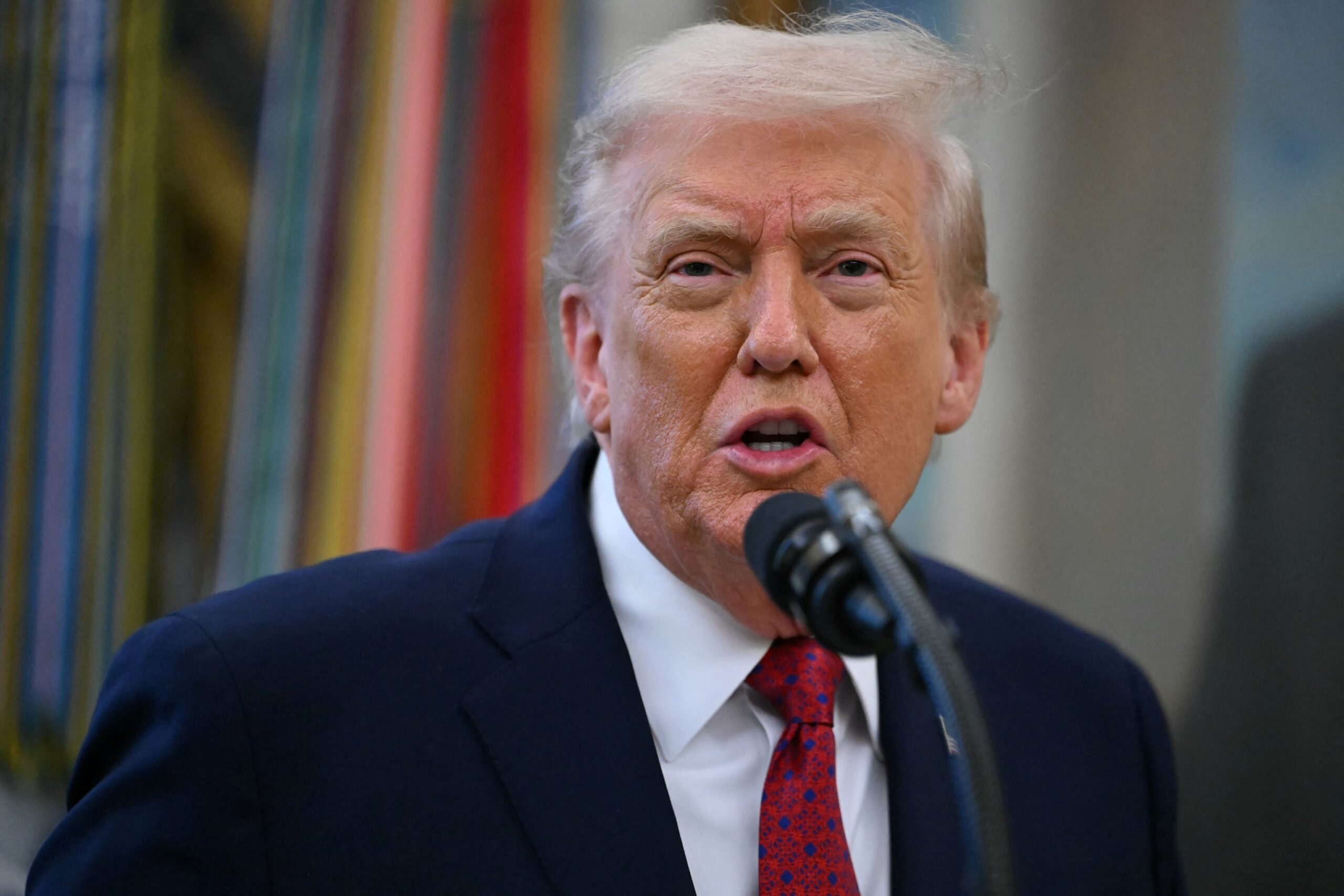


President of the United States, Donald Trump, on Tuesday signed a new Proclamation imposing further restrictions on entry into the United States by foreign nationals from countries classified as high risk over what Washington described as serious failures in screening vetting and information sharing that threaten national security and public safety.
Nigeria is among 15 countries newly placed under partial entry restrictions under the latest measure.
Details of the decision were published on the White House website through a fact sheet titled President Donald J Trump Further Restricts and Limits the Entry of Foreign Nationals to Protect the Security of the United States and dated December 16 2025.
President Trump had earlier on October 31 designated Nigeria as a country of particular concern following allegations of targeted violence against Christians.
The White House said the new action strengthens national security through what it described as common sense measures guided by data and security assessments.
Under the Proclamation, full entry restrictions remain in force for nationals of Afghanistan, Burma Chad, Republics of the Congo, Equatorial Guinea, Eritrea, Haiti, Iran, Libya, Somalia, Sudan and Yemen.
The policy also introduces full restrictions for Burkina Faso, Mali, Niger, South Sudan and Syria as well as individuals travelling with documents issued by the Palestinian Authority, Laos and Sierra Leone, previously under partial limits are now subject to full restrictions.
Partial restrictions continue to apply to Burundi, Cuba, Togo and Venezuela.
The Proclamation further places partial restrictions on Angola, Antigua and Barbuda, Benin, Cote d Ivoire, Dominica Gabon, The Gambia, Malawi, Mauritania Nigeria, Senegal, Tanzania, Tonga, Zambia and Zimbabwe.
According to the fact sheet exemptions remain for lawful permanent residents, existing visa holders, diplomats, athletes and other categories whose entry is deemed to serve United States national interests.
The document added that family based immigrant visa categories considered vulnerable to fraud have been tightened although discretionary waivers may still be granted on a case by case basis.
The White House said the Proclamation is aimed at preventing entry of individuals for whom the United States lacks sufficient information to properly assess security risks while also encouraging cooperation from foreign governments and enforcing immigration laws.
President Trump was quoted as saying it is the duty of the President to ensure that those seeking to enter the country will not harm the American people.
The administration said the decision followed consultations with cabinet officials and reviews conducted under Executive Order 14161 Proclamation 10949 and country specific security data.
The restrictions are tailored to each country in recognition of differing circumstances including corruption unreliable civil documentation weak birth registration systems refusal to share law enforcement data and citizenship investment programmes that obscure identity.
Other concerns cited include high visa overstay rates, refusal to accept deported nationals and the presence of terrorist criminal or extremist activity.
The White House described the move as part of President Trump’s broader pledge to restore travel restrictions on what it termed “dangerous countries” and to strengthen border security.
It also referenced a previous Supreme Court ruling which upheld similar restrictions as falling within presidential authority and based on legitimate national security objectives.
The fact sheet noted that Turkmenistan had shown improved cooperation with the United States, leading to the lifting of restrictions on non immigrant visas while the suspension of immigrant entry remains in place.
Trump tightens US entry rules, places Nigeria under partial ban