




By Shu’aibu Usman Leman
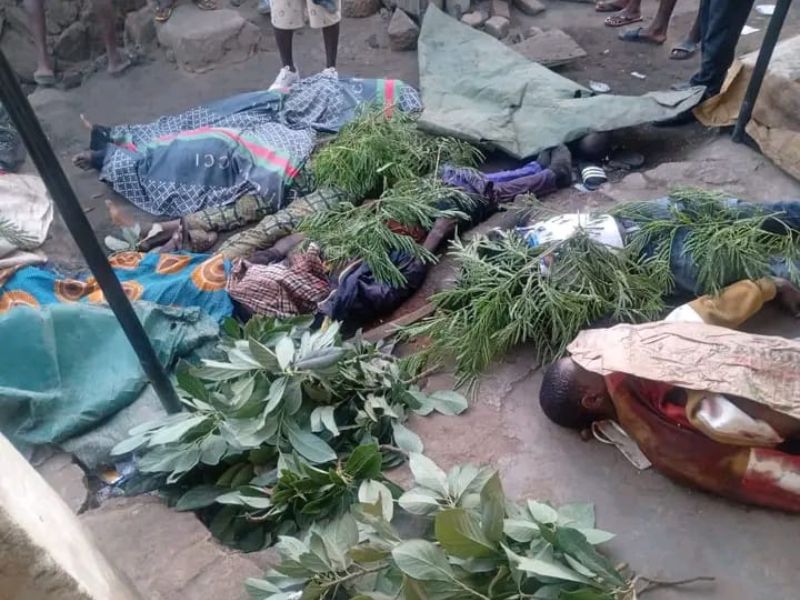
On Thursday, April 2, President Bola Tinubu visited Plateau State, following the brutal attack by gunmen in Anguwan Rukuba area of Jos city, which claimed the lives of 27 people with several others injured.
The visit has stirred an important debate on leadership in moments of national grief.
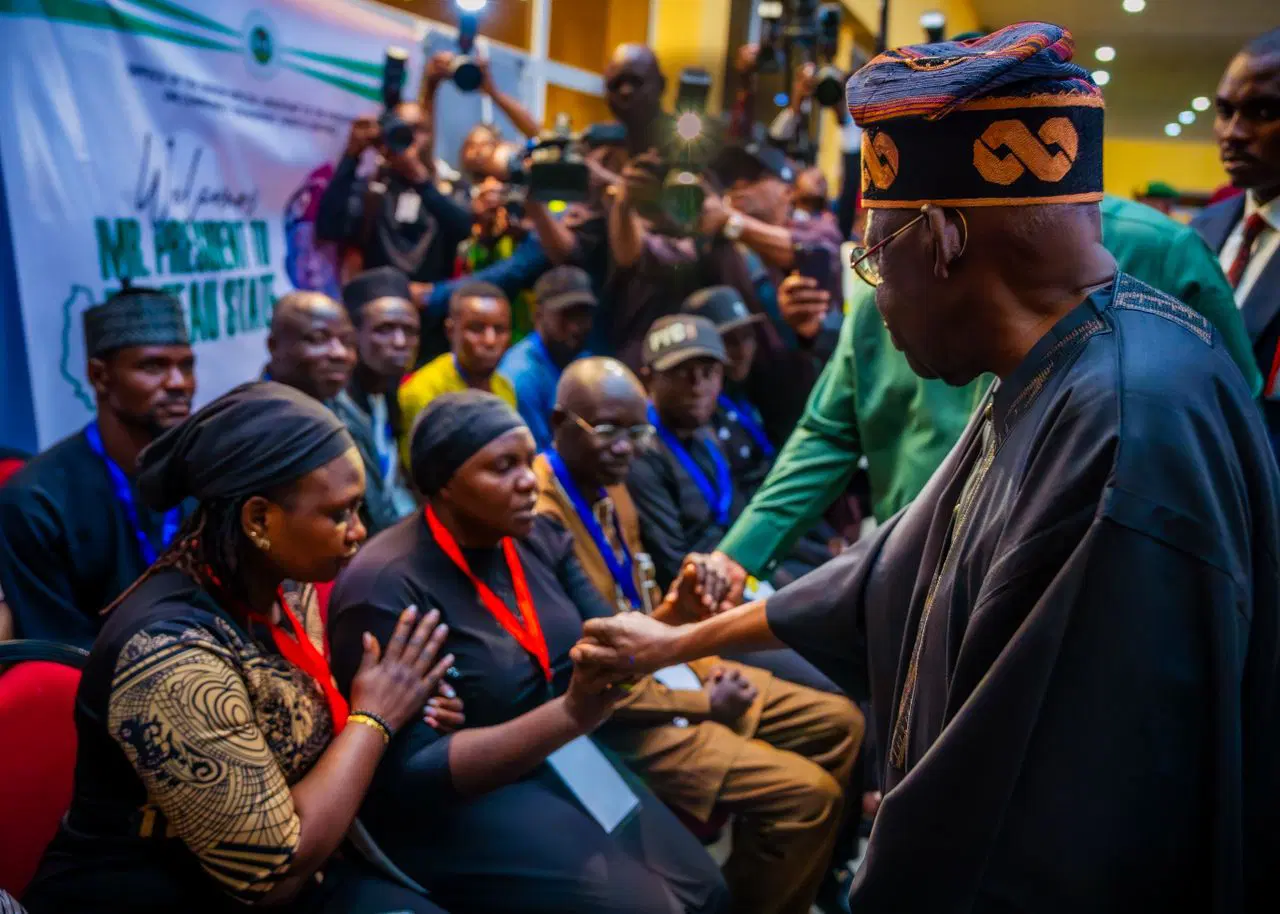
While the President’s decision to extend condolences was commendable, the choice to remain at the airport, with bereaved families conveyed to meet him, created an unintended impression of distance.
In the aftermath of tragedy, optics are not a trivial matter. They shape how empathy and sincerity are perceived. When a community is in pain, the physical presence of a leader serves as a vital link between government and grieving.
By opting for the controlled environment of an airport rather than the affected community, that connection appeared weakened.
At such times, communities require more than formal assurances delivered from afar. They seek a presence that is direct, human and shared. Standing on the very ground where lives were lost is a powerful gesture of solidarity that cannot be replicated in a restricted setting.
The direction of engagement matters. Whether leaders go to the people or require the people to come to them leaves a lasting imprint. For many observers, the airport meeting suggested a form of engagement removed from the lived realities of those affected. It risked conveying that official convenience outweighed the emotional needs of victims.
This tragedy, which claimed several lives and left families devastated, once again underscores the fragile security situation in parts of the country. The recurrence of such incidents points to systemic lapses that demand urgent attention. In such circumstances, leadership must go beyond symbolic gestures to demonstrate genuine connection and accountability.
Leadership in times of crisis must transcend protocol. It must affirm that citizens are more than figures in official reports. Avoiding the scene of tragedy can inadvertently send a troubling signal that certain areas are either unsafe to govern or beyond immediate reassurance.
A similar concern arose during the visit of Governor Caleb Mutfwang to the affected community. His decision to address residents from an armoured vehicle, though understandable from a security standpoint, created a visible barrier. The same structure designed for protection also conveyed separation.
In moments of public mourning, even necessary precautions can be interpreted as emotional distance. Addressing grieving citizens from behind layers of steel may unintentionally project fear rather than resolve. People in distress seek recognition of their dignity and humanity, not a distant display of authority.
This underscores the need for leadership that balances security with emotional intelligence. Often, it is not intent that shapes public judgement, but perception. In times of grief, perception quickly becomes reality.
Visible barriers, however justified, can deepen feelings of alienation when public trust is already strained. When citizens endure insecurity daily, the willingness of leaders to share, even briefly, in that environment builds the moral authority required to lead.
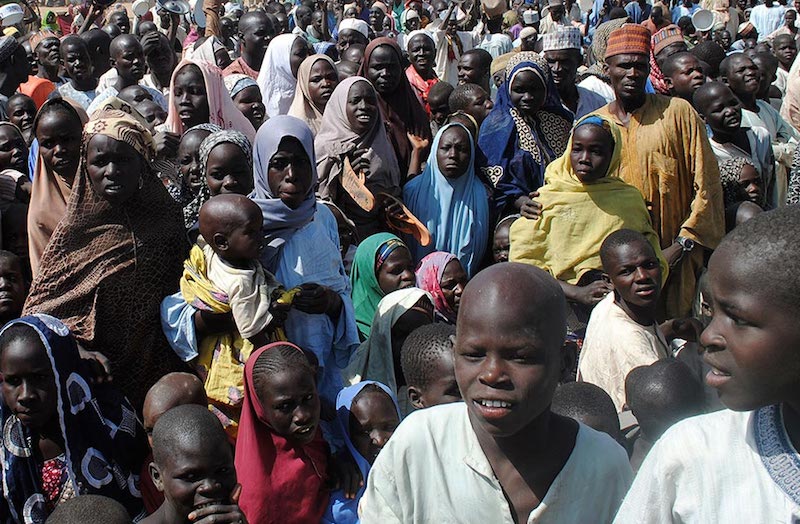
Plateau State has long experienced communal tensions, making leadership conduct even more critical. Residents of Jos North have grown weary of visits that appear symbolic rather than transformative. A leader who remains at the airport risks being perceived as distant from the realities of governance.
Moments such as these also present an opportunity to strengthen national unity. In a diverse country like Nigeria, the presence of the President in troubled areas reassures citizens that no part of the nation is neglected and no life is considered insignificant.
A more expansive approach that includes visits to affected communities and direct engagement with residents would reinforce shared national concern. It would also provide leaders with unfiltered insights often absent from official briefings.
Equally important is the meaningful involvement of traditional and religious leaders. Walking alongside community elders through affected areas affirms local authority structures and fosters collective resolve. This reflects the essence of servant leadership, which places leaders among the people, not above them.
The emotional impact of leadership presence cannot be overstated. History remembers not the speeches delivered in secure locations, but the moments leaders stood with citizens in their darkest hours. The closer leaders are to the people, the stronger the bond of trust becomes.
Nigeria’s security challenges are significant, and caution is necessary. However, modern security arrangements should enable engagement, not restrict it. Protection should support visibility, not create distance.
There is also a message to those who perpetrate violence. A hesitant presence may embolden them, while a visible and confident engagement reinforces the authority of the state.
The people of Angwan Rukuba deserve to feel seen and heard. They deserve leadership that shares their space and acknowledges their pain directly. Public office is ultimately a trust, grounded in service, and sustained by connection.
True leadership must move beyond convenience and embrace presence. It must be close enough to be felt and courageous enough to be seen.
The weight of public office should strengthen the people’s hope, not diminish their sense of belonging.
As Plateau State begins the process of healing, these moments should serve as lessons.
Future engagements must reflect empathy, presence, and genuine connection. Only then can trust be restored, and the path to lasting peace secured.