




By Joseph Kwewum
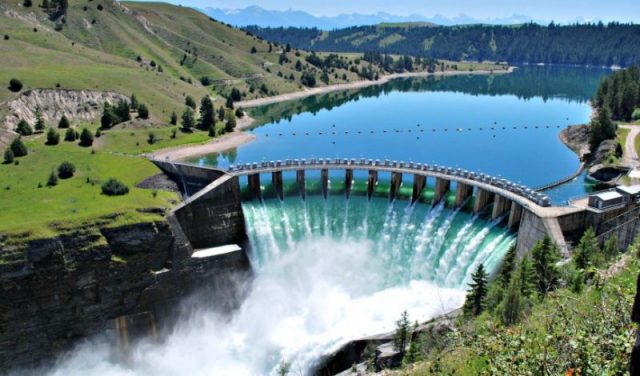
Hydroelectric power remains one of the most established and reliable forms of renewable energy in the world today.
By converting the gravitational potential energy of flowing or falling water into electricity, hydropower provides a consistent and scalable source of power that has supported industrial growth and national development for more than a century.
As countries search for sustainable solutions to rising energy demands and environmental challenges, hydroelectricity continues to occupy a prominent place in the global energy mix.
Unlike fossil fuels, which depend on finite natural reserves, hydroelectric power relies on the continuous movement of water within the earth’s natural cycle.
Rainfall replenishes rivers and reservoirs, ensuring that the energy source remains renewable over time.
This characteristic makes hydropower particularly attractive for nations seeking long-term energy security while reducing greenhouse gas emissions. Globally, hydroelectric facilities account for a significant portion of renewable electricity generation and remain a foundational element of clean energy strategies across both developed and developing economies.
While climate change concerns have encouraged the adoption of renewable energy technologies, the growing use of hydropower is not solely driven by environmental advocacy.
Even countries that are less committed to international climate agreements continue to expand their hydroelectric capacity.
The reason is that hydropower
plants generate substantial volumes of electricity at comparatively low operating costs once construction is completed. Although the initial capital investment required to build dams and associated infrastructure is high, the long operational lifespan and minimal fuel expenses result in strong long-term economic returns.
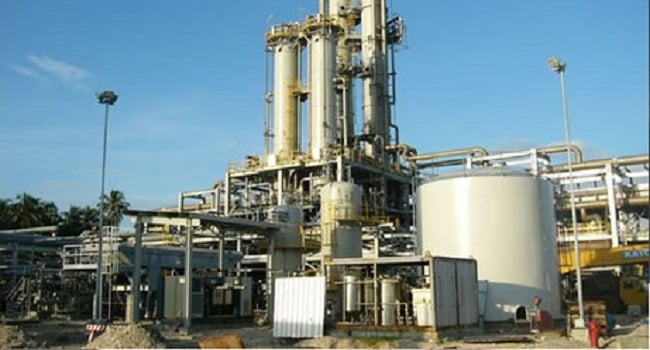
A hydroelectric power plant may not recoup its construction costs as quickly as certain conventional facilities, such as oil refineries. However, its sustainability and reusability provide advantages that extend far beyond short-term financial metrics.
Once operational, a hydroelectric facility can function for several decades with relatively modest maintenance requirements. Unlike oil wells that may eventually run dry or wind turbines that depend on variable wind speeds, hydropower plants offer a level of consistency that is difficult to match.
Operators can regulate water flow through turbines to adjust electricity output in response to changing demand.
This flexibility enhances grid stability and makes hydropower a valuable complement to other renewable sources such as solar energy.
The global scale of hydroelectric power is perhaps best illustrated by the Three Gorges Dam in China. As the largest hydroelectric facility in the world, it represents a monumental achievement in modern engineering.
With an installed capacity of approximately 22,000 megawatts, the dam generates enormous quantities of electricity, supplying power to millions of households and industries.
Completed in 2006 and fully operational as a power plant by 2012, it produces nearly twice the output of the Itaipu Dam, which is jointly operated by Brazil and Paraguay and ranks among the largest hydroelectric plants globally. These projects demonstrate the immense capacity of hydropower to meet national energy needs on a large scale.
Despite its many advantages, hydroelectric power is not without challenges.
The construction of large dams can have profound social and environmental consequences. In the case of the Three Gorges Dam, more than one million people were displaced during the development process. Communities were relocated to make way for the reservoir, highlighting the human cost that can accompany such ambitious infrastructure projects. This issue is not unique to China. Across the world, dam construction has required the resettlement of populations and the alteration of long-established ways of life.
Environmental impacts also merit careful consideration.
The creation of reservoirs can disrupt natural river ecosystems, affecting fish migration patterns and aquatic biodiversity. Changes in sediment flow may contribute to land erosion downstream, while areas surrounding reservoirs can become more susceptible to flooding if not properly managed. Additionally, the accumulation of organic material in reservoirs can produce methane emissions, a potent greenhouse gas, although overall lifecycle emissions from hydropower remain significantly lower than those associated with fossil fuel plants.
Governments and engineers continue to refine strategies to mitigate these impacts. Environmental impact assessments, improved dam design, fish ladders, and community engagement initiatives are increasingly integrated into modern hydropower projects. Smaller scale and run of river systems, which generate electricity without creating vast reservoirs, are also gaining attention as lower impact alternatives.
These innovations demonstrate that while hydropower presents challenges, it also offers opportunities for responsible development when carefully planned and executed.
From an economic perspective, hydroelectric power offers compelling returns. Once construction costs are recovered, operating expenses are generally low compared to many other energy sources. In fact, within a year of becoming fully operational, the Three Gorges Hydroelectric Power Plant generated sufficient revenue to begin offsetting its massive construction expenditure.
Over time, the financial benefits to the Chinese government have been substantial. Similar patterns can be observed in other countries where hydroelectric plants have provided reliable electricity while contributing to public revenue and industrial expansion.
For developing nations, hydropower can serve as both an energy solution and a development strategy.
Reliable electricity supports manufacturing, agriculture, healthcare, and education. It attracts investment and stimulates job creation.
In rural areas, access to stable power can transform local economies, enabling small businesses to thrive and improve overall quality of life.
Nigeria presents a particularly relevant case. As Africa’s most populous country and one of its largest economies, Nigeria faces persistent energy shortages that constrain growth and productivity. Historically, the nation has relied heavily on oil and gas resources for revenue and electricity generation. However, fluctuating oil prices and environmental concerns underscore the need for diversification.
Nigeria has made notable efforts to harness its abundant river systems for hydroelectric power. Projects such as the Kainji and Jebba dams have contributed to the national grid, and ongoing initiatives aim to expand capacity further.
Investing in hydropower aligns with Nigeria’s broader sustainable development goals.
By reducing dependence on fossil fuels, the country can lower emissions while strengthening energy security.
Hydroelectric facilities also provide opportunities for regional integration, as excess power can be shared across neighbouring states through interconnected grids. Furthermore, the development of local expertise in dam construction, engineering, and environmental management can enhance technical capacity and create skilled employment opportunities.
Nevertheless, Nigeria must approach hydropower expansion with careful planning.
Addressing concerns related to community displacement, ecological preservation, and flood management is essential. Transparent governance, stakeholder engagement, and adherence to international best practices will help ensure that projects deliver long-term benefits without imposing undue social or environmental costs.
In conclusion, hydroelectric power occupies a vital position in the global transition toward sustainable energy.
Its ability to generate large quantities of electricity with relatively low operating costs makes it an attractive option for countries seeking stability and growth.
While significant upfront investment and environmental considerations must be addressed, the long-term economic and developmental advantages are substantial.
For Nigeria, expanding hydroelectric capacity represents not only a pathway to cleaner energy but also a strategic investment in national progress.
By harnessing the power of its rivers responsibly, Nigeria can strengthen its energy independence, stimulate economic development, and build confidence in a more sustainable future.