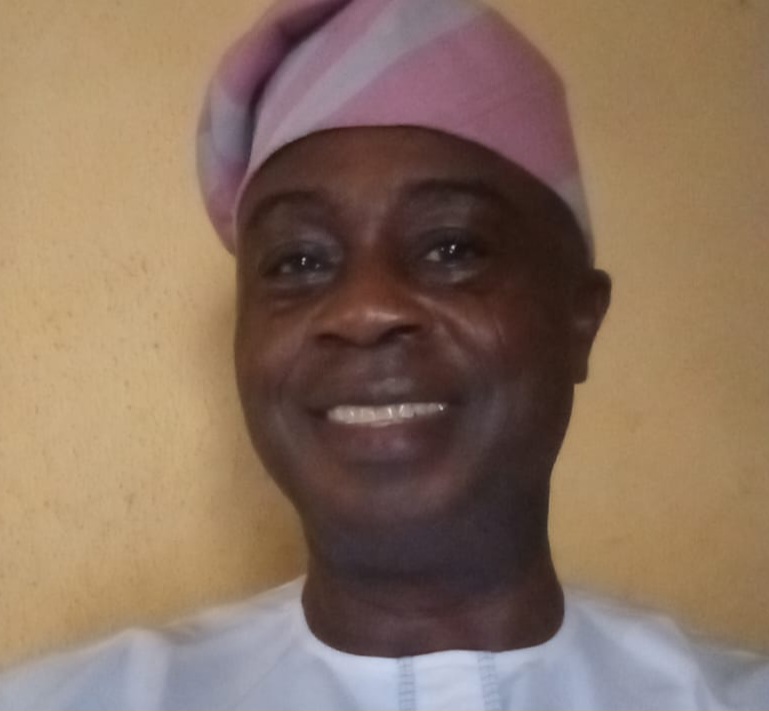




Noah Ebije,a journalist and author,
has said that his village background and upbringing inspired the poetry and collection of plays he recently published.
Ebije, who is the Kaduna Correspondent of The Sun newspapers, spoke in an interview with Amazing Times.
He said the public presentation of the books took place on December 13, 2025, during Press Week of the Kaduna Council of the Nigeria Union of Journalists (NUJ).
Recounting his childhood days, Ebije said he grew up in a remote village in Kogi state in the late 1960s and early 1970s.
According to him, basic amenities such as health centres, motorable roads, electricity, and potable water were nonexistent at the time.
“I was raised on traditional herbs and cereal based meals, while farming, hunting, and crafts defined daily life in the community.
“Evening time was devoted to moonlight folktales. We will gather under the moon or by the fire side to listen to stories by the elderly in the community.
“These stories not only taught us morals and values but shaped my imagination, creativity, and worldview,” he said.
He explained that the poetry collection – Like Plantain Plantations, draws heavily from those formative years, particularly his childhood experience, working on palm and plantain plantations near his village, in contrast to the more strenuous farming activities carried out in distant hinterlands.
Ebije noted that the experience paralleled his academic journey, adding that while he excelled in Literature in English, he struggled with the English Language studies, a contrast he said reflects the meeting point of poetry and plantain plantations in his life.
“Poetry, like plantain plantations, came naturally to me. The book reflects the simplicity, rhythm, and imagery of rural life that shaped my worldview,” he said.
He said the second book, a play titled: Mosquitoes Sucked Their Blood for Five Years, was inspired by the ordeal of boarding students in the late 1970s and early 1980s.
He recalled that the secondary school was located near a forested area, exposing students to persistent mosquito bites and recurrent malaria infections.
According to him, the situation often forced students to seek treatment at distant primary health centres at the expense of their academic work.
Ebije added that both books capture personal and shared experiences, reflecting the resilience of rural communities and the challenges faced by students in underserved environments.
Noah Ebije: Village life, folktales, inspired my literary works