

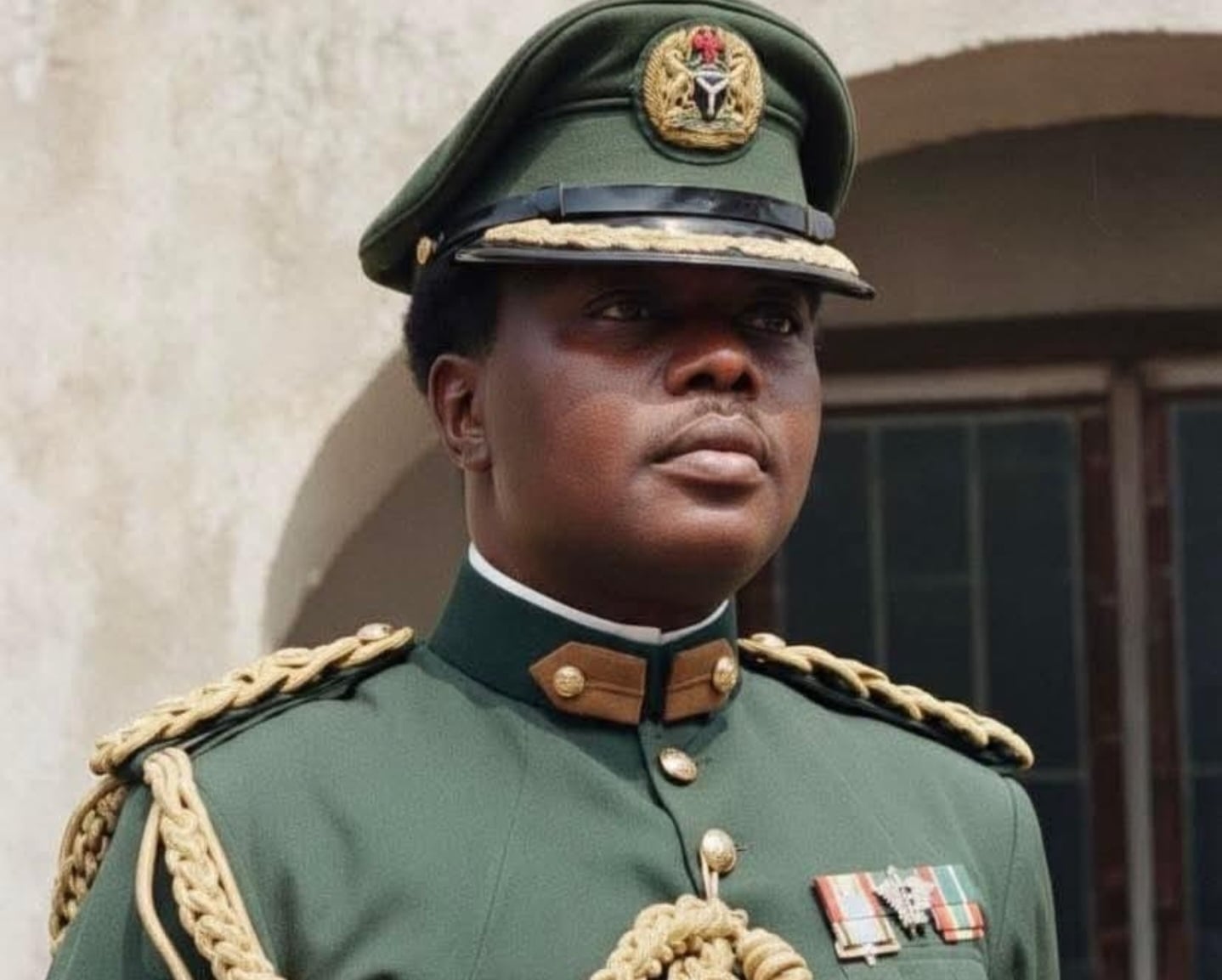
On 13 February 1975, General Murtala Ramat Muhammed was killed in Lagos. Fifty years later, the date still matters because his leadership belonged to a moment when Nigeria was moving in step with the wider world. The country was not operating on a private timetable. Decisions taken in Lagos were made at the same time as decisions taken elsewhere, and they were judged against the same expectations about speed, clarity, and direction. Nigeria was part of the world’s present, exposed to comparison, scrutiny, and consequence.
That present had a distinct character. The mid-1970s were years of urgency. Across continents, old orders were giving way. Authoritarian regimes collapsed in Southern European states like Portugal, Spain, and Greece. Newly independent states pressed harder for control over their politics and resources. Oil-producing countries asserted themselves. International organisations demanded discipline. News travelled faster, and governments were constantly measured against one another. Delay became visible. Drift became costly.
Nigeria entered this moment under Murtala Muhammed. The civil war was over. Oil revenues had expanded the state’s reach. Expectations rose, both at home and abroad. The central question was direction. Would the country adjust to the demands of the time, or would it remain trapped in habits formed out military dictatorship and political transition inertia? General Muhammed answered with speed. He announced a transition to civilian rule and fixed a date. That single act placed Nigeria squarely within the clock of the time.
In the 1970s, timetables mattered. Portugal and Spain were dismantling authoritarian structures through clear schedules. International partners paid close attention to such commitments. By setting a date, Nigeria made itself accountable in the same way others were. He followed this with a dramatic restructuring of the civil service. Officials whose power had turned into entitlement were dismissed. The exercise was public, abrupt, and unmistakable. It was meant to be seen. In a world where meaning travelled quickly, symbols counted. The message was clear: stagnation would not be protected. Expectations of Nigeria shifted almost immediately.
Foreign policy moved with the same decisiveness. Nigeria recognised the MPLA government in Angola despite strong opposition from Western powers. This was not a neutral act. It placed Nigeria firmly within the dominant anti-colonial current in Africa and the Global South. It announced where the country stood in a world shaped by liberation struggles and Cold War tensions. The decision carried risks, but it also earned respect among states facing similar pressures. Muhammed understood instinctively that his leadership was being watched in real time.
His actions assumed comparison. Delay, in such a climate, signalled weakness. Purposeful speed also signalled seriousness. Files moved. Directives followed one another. Resistance was confronted decisively. The public felt motion, and that feeling mattered. People measured their government against others they heard about on the radio or read about in the papers. Movement inspired confidence.
His assassination shattered that confidence. Nigeria remained part of the world, but its pace changed. Decisions slowed. Plans softened. Deadlines became flexible. Over time, the country acquired familiar descriptions: slow, behind, catching up. These labels were not accidental. They reflected how countries are judged when they fall out of step with the wider world. The sociologist, Niklas Luhmann later gave this condition a name: world time. His point was simple. Modern societies act as if they share a common present. Events in different places are understood together. Governments, markets, and institutions respond to one another almost instantly. Authority is tested through comparison. What matters is not sameness of experience but simultaneity of judgment.
Muhammed governed as though he grasped this reality. His announcements travelled quickly through diplomatic and media channels. They reduced uncertainty. Others knew where Nigeria stood and what to expect. That clarity explains why his short tenure still feels weighty. He compressed decision-making into action. He treated time as a responsibility.
Fifty years on, this perspective sharpens our understanding of present failures. Crises now unfold even faster. Unaddressed corruption, pandemics, climate disasters, and conflicts generate immediate expectations. Governments announce plans within hours. Citizens compare responses across borders in real time while delay draws suspicion. Excuses travel poorly.
Nigeria remains subject to this same discipline. Promises are weighed against actions elsewhere. Emergency responses are compared globally. Citizens recognise decisive governance when they see it because they see it happening elsewhere. Remembering Murtala Muhammed this way avoids sentimentality. His significance lies not only in his death but in how he acted while alive. He led Nigeria within the world’s present. He responded to the demands of his moments with clarity and speed. His death marked more than a personal loss. It marked a break in Nigeria’s alignment with the tempo of the world. The country slowed as the world accelerated. That gap continues to shape how Nigeria is seen and how it sees itself.
Muhammed governed as though Nigeria’s time mattered. He assumed that delay weakened trust. He treated speed as a duty. His leadership reminds us that authority is exercised not only through power but through timing. Fifty years later, the lesson remains. Leadership does not unfold in isolation. It unfolds in public, under comparison, within a shared now. When a country moves in step with that now, authority strengthens. When it drifts, credibility fades. General Murtala Muhammed’s place in history lies here. He governed Nigeria within the world’s present. Remembering him demands more than ceremony. It demands reflection on how leadership responds to time itself, and on why our country now retreats from arenas where even smaller nations continue to show up with confidence and assert themselves without hesitation.