



Politics is often mistaken for proximity to power. In reality, it is about leverage. Nigeria’s unfolding wave of defections from the People’s Democratic Party (PDP) to the ruling All Progressives Congress (APC) exposes this misunderstanding with brutal clarity.
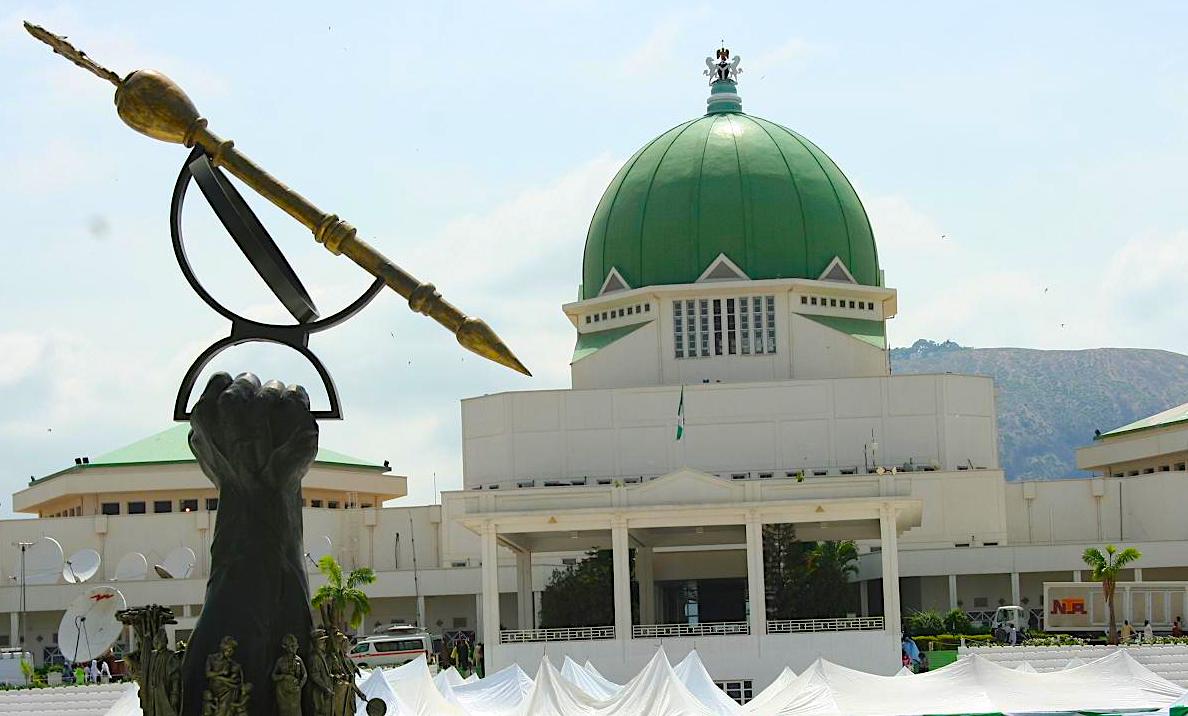
Ahead of the 2027 elections, governors across key regions have abandoned the PDP in large numbers. The South-South, once the party’s strongest stronghold, now has no PDP governor. In the South-East, only Abia State remains outside APC control. The North-Central has followed a similar path. On paper, the APC looks invincible. In practice, many of the defectors may have walked into a political trap.
The calculation behind these defections was simple and cynical. Many believed that future elections would be tightly managed from the centre, and that survival depended on early alignment with federal power. Defection was framed as insurance. What is now becoming clear is that this insurance policy may not pay out.
Signals from within the APC suggest that there are no guarantees of automatic tickets for defectors. Party primaries remain the battleground, and those primaries will be crowded with long-standing party loyalists who see the newcomers not as allies but as competitors. Incumbency alone is no shield in a party where internal power structures predate recent arrivals.
The deeper mistake lies in what these governors surrendered by defecting. Power respects power; it does not respect weakness. Negotiation is only possible when there is something to negotiate with. By abandoning the PDP wholesale instead of sustaining it as a viable alternative, these governors destroyed the very platform that could have given them leverage
A simple analogy explains the problem. When a man demolishes his own house and moves into another man’s mansion because the roof no longer leaks, he ceases to be a landlord. He becomes a tenant. Tenants do not dictate terms. They accept conditions. By defecting en masse, these governors turned themselves from power brokers into political dependents.
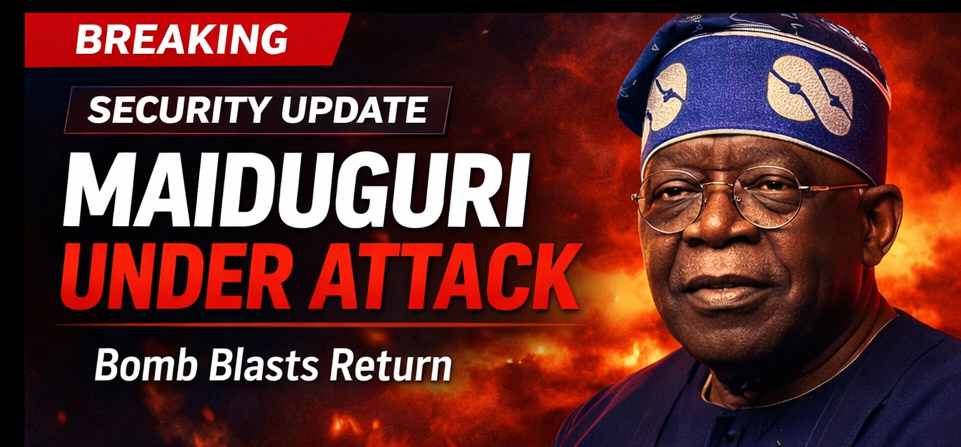
Their fate now rests almost entirely in the hands of President Bola Ahmed Tinubu and the APC hierarchy. If balance must be struck between long-standing party loyalists and new entrants, some will inevitably be sacrificed. For those denied tickets, the doors will already be closed elsewhere. It will be too late to return, and there may be no credible platform left to run on.
Beyond individual careers, the implications for Nigeria’s democracy are troubling. A system without a strong opposition is not competitive; it is fragile. Opposition parties are not ornaments of democracy. They are its insurance against excess, impunity, and complacency. When elite defection replaces electoral contestation, accountability erodes.
The question Nigerians must now confront is not simply whether these governors made the right personal choice. It is whether the country can afford a political culture where power is hoarded at the centre and opposition is dismantled by fear rather than defeated at the polls.
In politics, safety purchased at the cost of leverage is rarely safety at all. More often, it is defeat postponed.
Rimamnde Shawulu Kwewum hosts The Other Side.