





Stakeholders working on conflict prevention have warned that avoidable deaths and rising criminality will persist in Nigeria unless early warning systems are backed by faster and coordinated response.
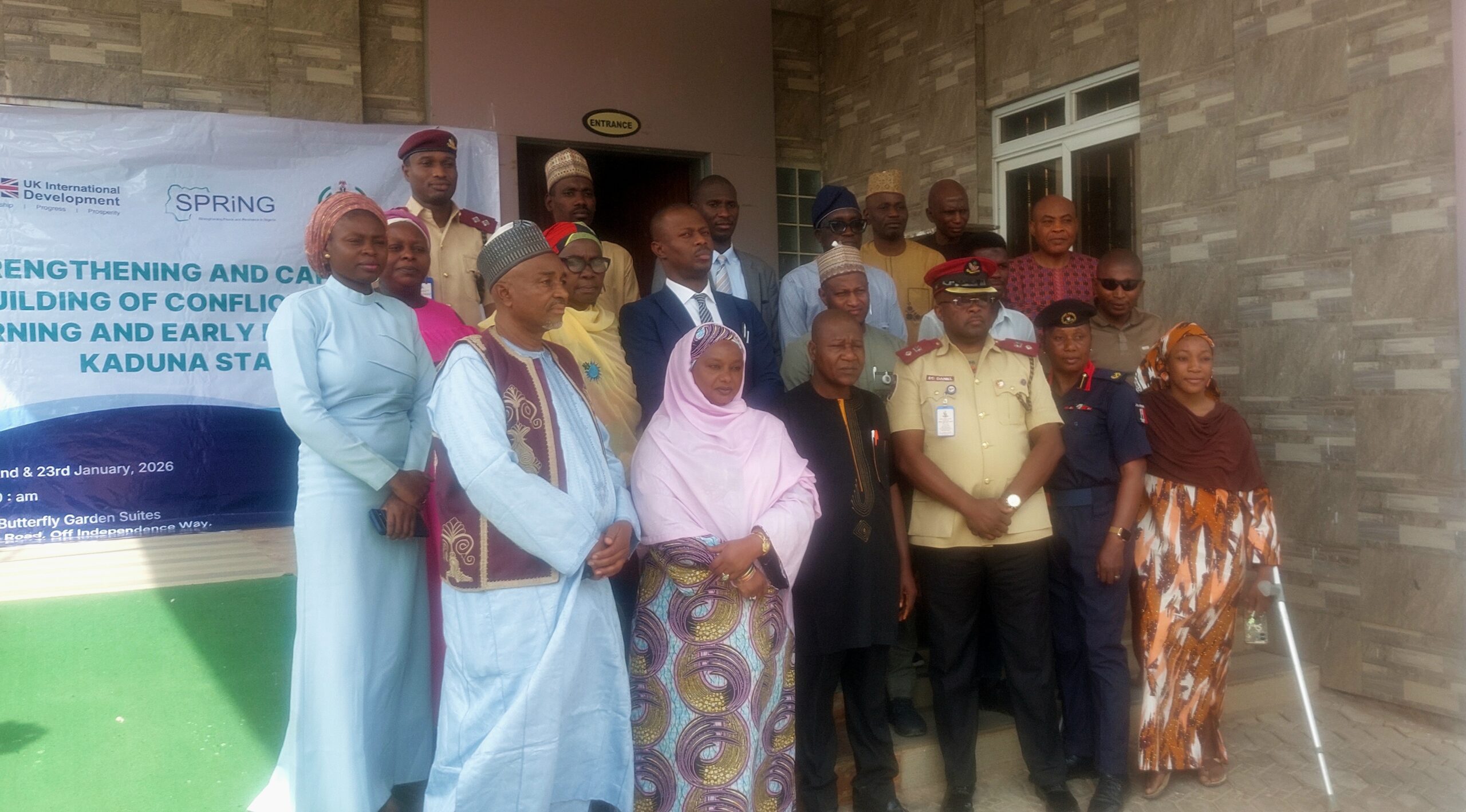
The warning was issued in Kaduna at a workshop on strengthening and capacity building of conflict early warning and early response, organised by the Strengthening Peace and Resilience in Nigeria (SPRING) programme in collaboration with the Institute for Peace and Conflict Resolution (IPCR), with support from the UK’s Foreign, Commonwealth and Development Office.
Participants were drawn from security agencies, civil society organisations, and government institutions to improve coordination and ensure that conflict indicators reported at the community level are acted upon before they escalate into violence.
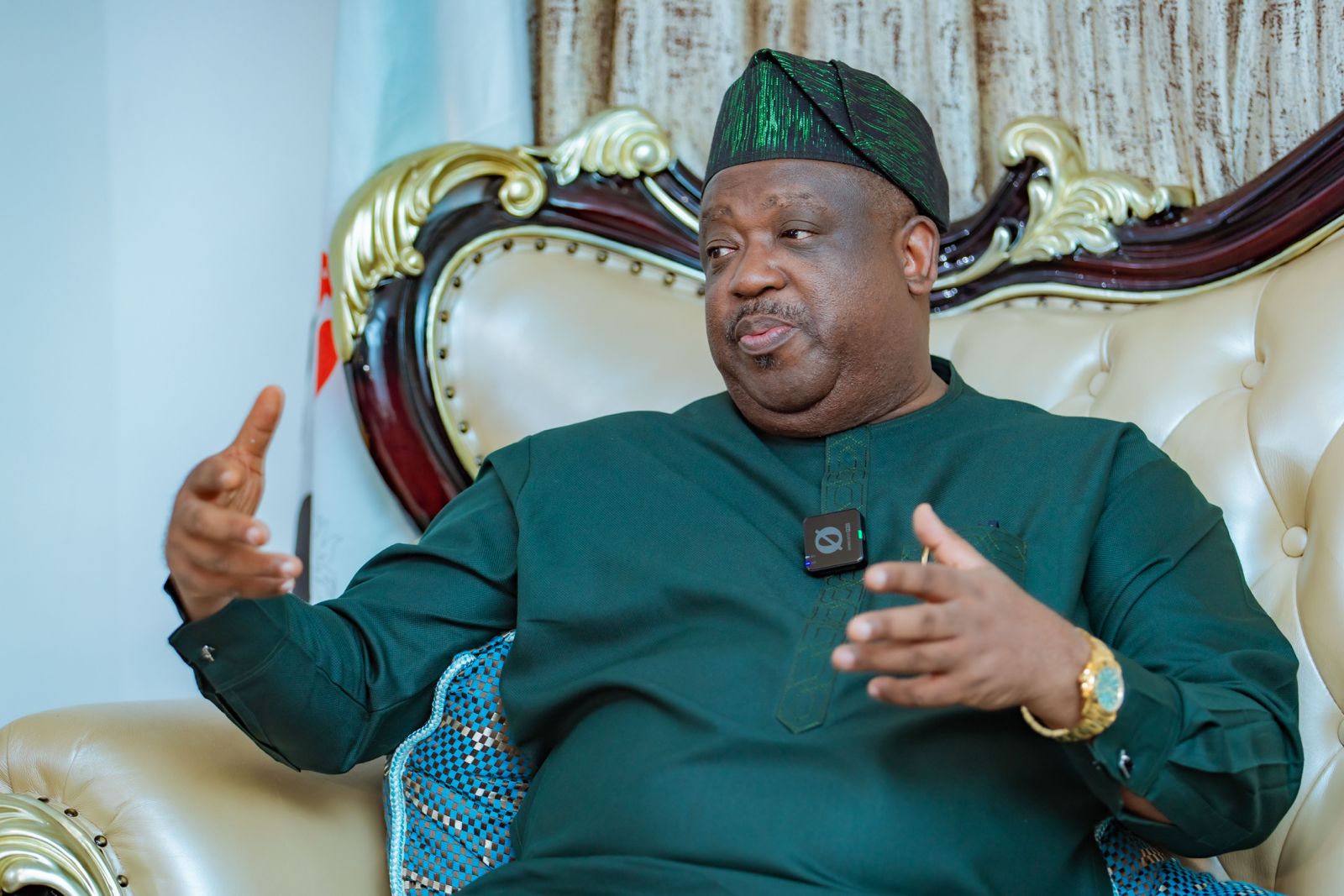
Speaking at the event, Steve Agbo,
Lead Consultant with Dev Consult Development Services, said the initiative focused on strengthening the capacity of a multi stakeholder early warning response group in Kaduna State.
He explained that the project is funded by the Federal Commonwealth Development Office and implemented by the Institute for Peace and Conflict Resolution in collaboration with the Country Research Network West Africa.
Agbo noted that “Nigeria’s conflict landscape has become more complex due to climate change, competition over land and water, and other socio-economic pressures, requiring response agencies to better understand emerging patterns and dynamics.”
He identified delayed response rather than absence of information as the major weakness of existing early warning systems.
According to Agbo, “strengthening the multi stakeholder response group would help integrate community level actors, including vigilantes, transport unions and local security groups, into a coordinated framework capable of preventing escalation”
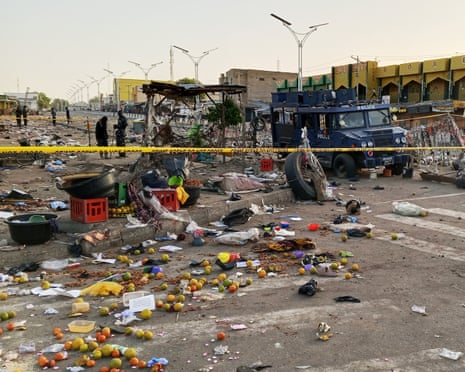
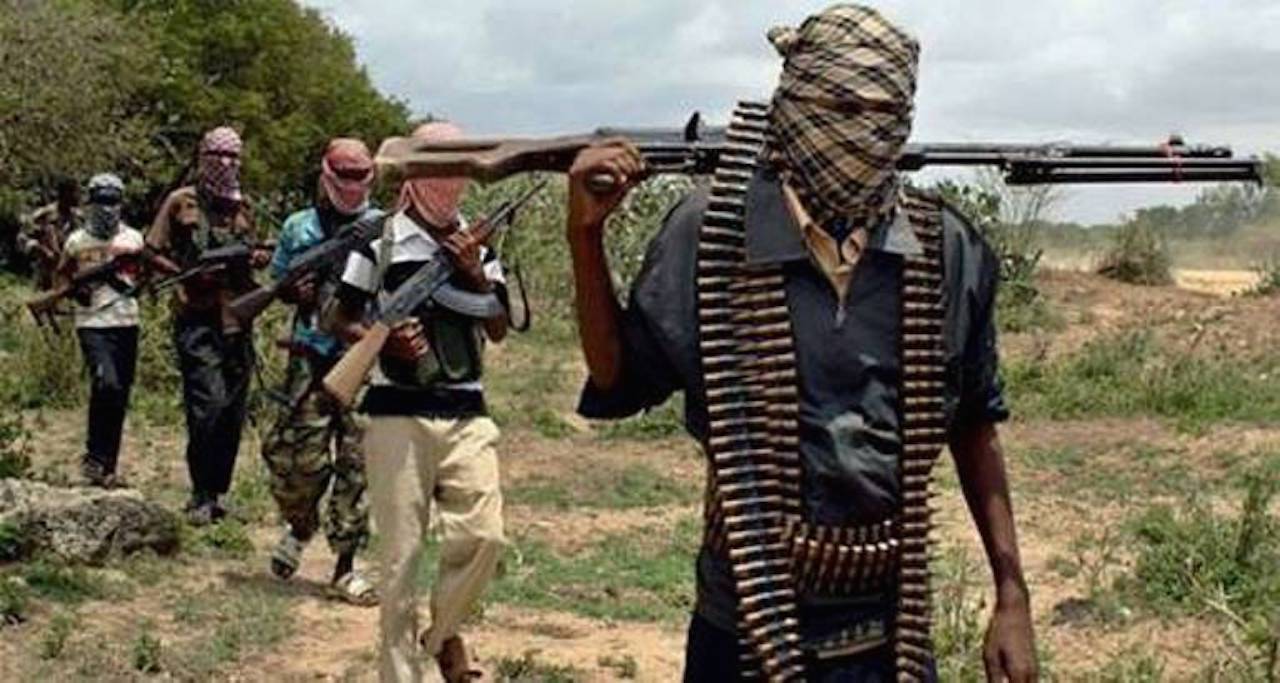
He warned that prolonged conflicts often degenerate into criminality, including kidnapping and abductions, leading to avoidable loss of lives.
“A lot of them are avoidable deaths that we encounter,” he added.
Also, speaking at the event, Acholonu Chidozie, facilitator for the Strategic Peace Resilience Initiative in Nigeria Programme, said the programme is strengthening the use of technology and collaboration in conflict prevention.
He explained that the initiative is revitalising the early warning situation room at the Institute for Peace and Conflict Resolution, allowing information from communities to be received through mobile communication platforms and transmitted to relevant security agencies.
According to him, the response framework links the Institute with agencies such as the Department of State Services (DSS), the police and the civil defence, enabling faster and more coordinated action.
Chidozie stressed that beyond technology, trust and sustained interaction among stakeholders remain critical to effective response, adding that “when people get to know each other, it helps synergy”.
He added that the programme has moved from national level engagement to state level implementation, with the aim of cascading knowledge and coordination to local communities.
He emphasised the need to sustain the initiative beyond its lifespan to ensure lasting impact.
Stakeholders urge faster response to conflict warnings to curb rising violence in Nigeria