




By Shu’aibu Usman Leman
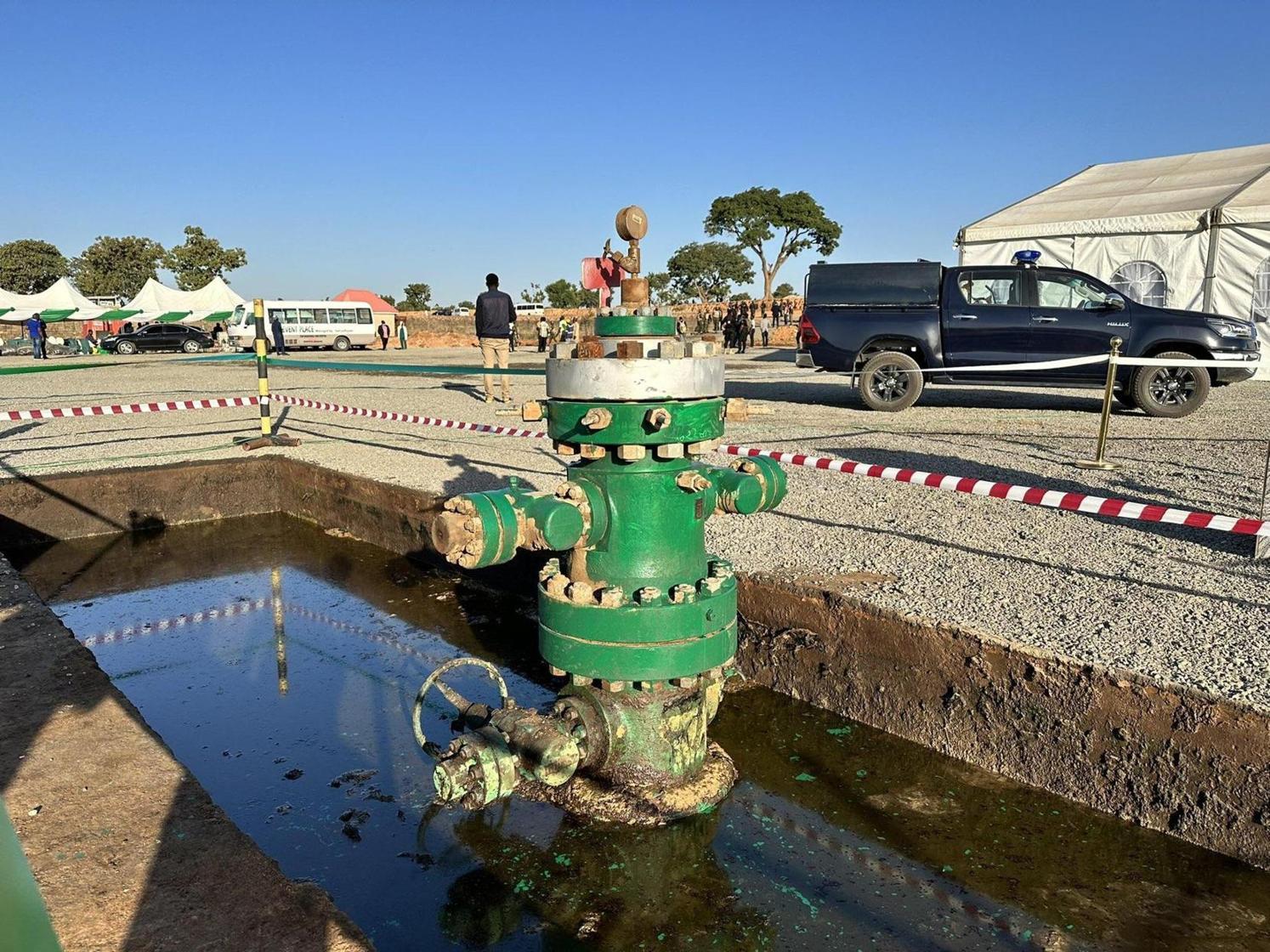
The Kolmani oil project, ceremoniously inaugurated in 2022, remains a subject of both hope and anxiety. For many in Gombe and Bauchi states, the discovery of oil was a dream fulfilled. Yet, three years down the line, the project has not advanced as swiftly as the public anticipated.
It is natural for expectations to run high when oil is discovered. Citizens often imagine immediate jobs, infrastructure, and prosperity. But in reality, oil projects are complex undertakings that take time to mature.
This is why the current moment calls for reflection rather than despair. The pace of Federal Government action may appear slow, but this should not paralyse the host states. Instead, it offers them a golden opportunity to demonstrate initiative.
For Kolmani to succeed, the Federal Government’s role is important. Abuja must provide the broad policy framework, major infrastructure, and regulatory support. Yet, history has shown that where subnational governments prepare the ground, investors and partners are far more likely to come.
This is where Gombe and Bauchi states must step in decisively. Rather than lament delays, they can position themselves as active collaborators, making Kolmani a magnet for investment.
One of the greatest assets of the region is not beneath the ground but on its surface, like the Gongola River and the Hadeja- Jamaare that run through these areas and the rich Fadama plains that stretch across the two States. These lands hold enormous potential for large-scale agribusinesses.
Harnessing these natural advantages could transform Kolmani into more than an oil field. It could become the nucleus of an agricultural-industrial corridor that feeds Nigeria and exports to the world.
Imagine clusters of rice, maize, and vegetable farms irrigated directly from the River basins and Fadamas, complemented by modern processing plants for storage and packaging. Such ventures would create jobs for thousands while reducing post-harvest losses.
By linking energy exploration to agribusiness, Gombe and Bauchi can create an economic model that is more resilient than oil alone. Agriculture offers stability in ways that volatile crude markets cannot.
For this to happen, states must provide enabling infrastructure—roads, electricity, water supply, and industrial parks. Investors do not merely follow promises; they follow evidence of readiness.
Joint planning between the two states would make the Kolmani corridor more attractive. Cooperation, rather than rivalry, will ensure economies of scale and stronger bargaining power with the federal government and private partners.
Another critical step is human capital development. Establishing vocational and technical training centres around Kolmani will build the skilled workforce required for both oil operations and agribusiness ventures.This is where the establishment of the Bauchi Oil and Gas Academy in the Alkaleri Local Government Area comes in handy. The academy is poised to play a crucial role in empowering local youths to capitalise on the burgeoning opportunities within the oil and gas sector. This proactive measure is designed to equip local communities with the necessary skills, ensuring that advancements in the energy sector translate into tangible benefits for the populace. The scope of the Academy should be expanded to include such considerations.
Community involvement is equally crucial. Development cannot succeed if local people feel excluded. Benefit-sharing, transparency, and dialogue will prevent conflict and foster a sense of ownership.
The role of the Federal Government remains indispensable, particularly in guaranteeing security and creating investor-friendly policies. But a prepared and proactive local environment will multiply the impact of Abuja’s eventual interventions.
This moment also calls for creativity in financing. Public-private partnerships, diaspora investment funds, and development finance institutions could be mobilised if the states present credible projects tied to Kolmani.
The media has played, and must continue to play, a vital role in consistently keeping this crucial issue alive.
Reports, such as Haruna Gimba Yahya’s recent, powerful Weekend Trust piece entitled, “33 Months After Kolmani Oil Project Yet to Take Off,” are essential in ensuring that the voices of the host communities are not simply drowned out in corporate or political rhetoric; journalism must rigorously continue this essential watchdog function.
Kolmani is a major national project with deeply significant local consequences.The media, academia, and civil society should continue to generate ideas and sustain pressure in a constructive way. Kolmani is too important to be left only to politicians and oil companies.
The Federal and State governments, civil society organisations, and the affected communities must all be genuinely engaged in a continuous, honest, and constructive dialogue. Failure to act decisively would mean far more than just lost revenue; it would represent another severe blow to public trust, a regrettable reinforcement of national neglect, and a genuine danger to national unity.
Conversely, if handled with wisdom, unwavering transparency, and the necessary urgency, Kolmani could still prove to be a pivotal turning point for the entire nation.
The stakes could not possibly be higher. Kolmani is not just about the technicalities of oil extraction. It is, ultimately, a direct test of whether Nigeria still possesses the will to keep its fundamental promises—to its people, to its various regions, and to its collective future.
Above all, the leaders of Gombe and Bauchi States must rise above rhetoric. What the people need are not speeches about missed promises but visible action—roads graded, irrigation canals dug, and pilot agribusiness schemes launched.
Kolmani at the crossroads is not a tale of frustration; it is an invitation to vision.
If the host states seize the moment, they can redefine their economic destiny. If they hesitate, the risk is that Kolmani becomes another resource story of unfulfilled potential.
The choice is therefore clear. Gombe and Bauchi States can wait for Abuja, or they can work with Abuja.
A proactive, collaborative path will unlock Kolmani’s promise and deliver enduring prosperity for the North-East.
Leman is a former National Secretary of the Nigeria Union of Journalists (NUJ).