
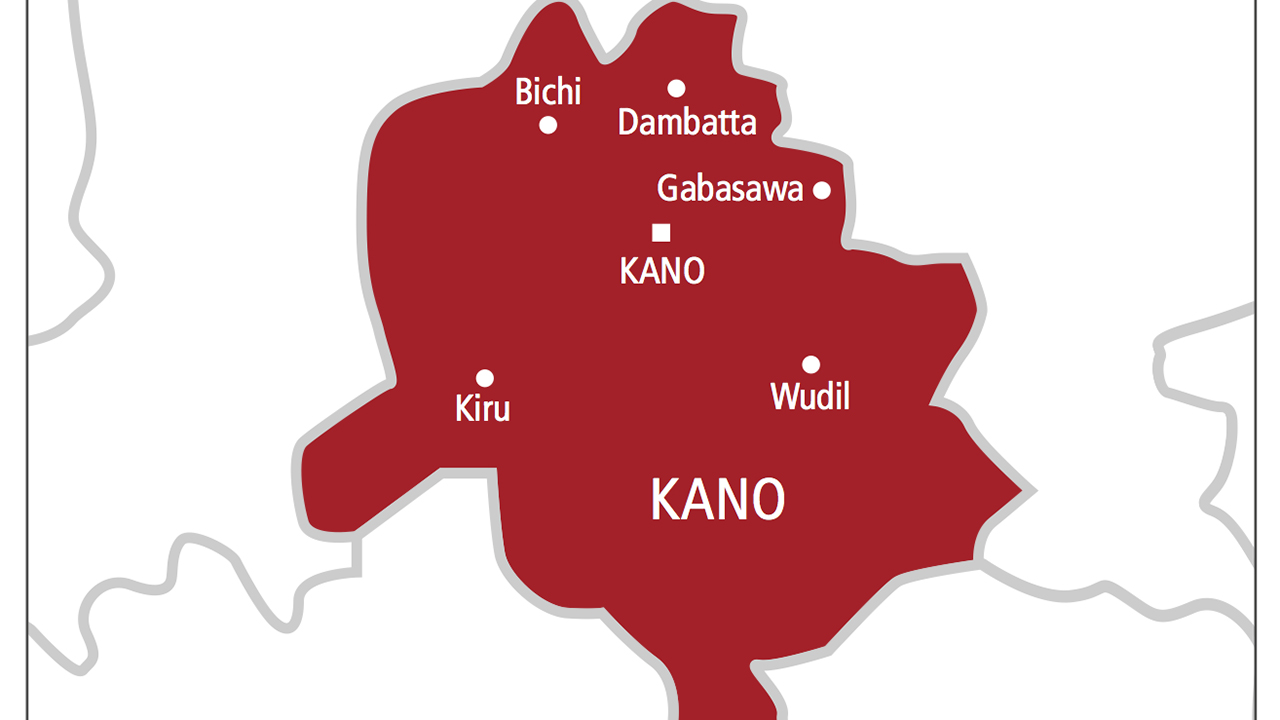
In this compelling episode of The Other Side, political analyst and former lawmaker Rimamnde Shawulu Kwewum takes us deep into the heart of Kano State — once a powerhouse of radical political ideology and electoral influence in Nigeria. But has Kano lost its edge? Has its legendary political clout diminished in Nigeria’s Fourth Republic? From the days of Malam Aminu Kano, Lawan Danbazau, of the Northern elements Progressive Union (NEPU) and the People’s Redemption Party (PRP), Kano was the heartbeat of progressive and radical politics in Northern Nigeria. Today, as we prepare for the 2027 general elections, this episode investigates whether Kano still holds the power to decide who becomes Nigeria’s next president — or whether its political relevance is waning. Shawulu presents a data-backed analysis of Kano’s voting patterns across seven electoral cycles (1999–2023).
He explores:
• Why Kano only voted for the winning presidential candidate three times in 24 years.
• How candidates like Olusegun Obasanjo (1999), Muhammadu Buhari (2015, 2019), and Bola Tinubu (2023) fared in Kano.
• The 2023 electoral surprise: Engineer Rabiu Musa Kwankwaso of the NNPP, who secured 58% of Kano’s votes, making a significant dent in both APC and PDP projections. This episode raises critical questions: Is Kano’s political behavior shaped more by ethnic sentiments, historical ideologies, or socioeconomic realities like poverty and discontent with central governance? What role will Kwankwaso play in 2027? Will he remain in opposition, form an alliance, or even become Tinubu’s running mate? And if he does, will Kano automatically follow him?
Shawulu also reflects on:
• The tactical vote-splitting theory: Was Kwankwaso’s candidacy in 2023 quietly supported by the APC to weaken the PDP in the North?
• Whether Kwankwaso’s past alliances and roles — from deputy speaker in 1990 to governor, minister, and senator — still carry weight among Kano’s radical, idea-driven voters.
• Whether Kano’s political DNA, shaped by defiance and independent thinking, will remain loyal to any political godfather. Using statistics from INEC, Shawulu compares Kano’s voter card collection numbers (5.9 million in 2023) and how they compare with Lagos (7 million). Despite this electoral potential, Kano has not always aligned with the eventual national winner — an indicator of both its independence and political disconnect.
He recounts Kano’s historic election years:
• 2003: Buhari wins Kano but loses nationally.
• 2007: Buhari again wins Kano.
• 2011: Buhari defeats Goodluck Jonathan in Kano with 60% vs. Jonathan’s 16%.
• 2023: Kwankwaso dominates Kano, while Tinubu wins nationally with just 29% from Kano.
Shawulu ponders the implications:
• Is Kano now a spoiler state in presidential elections?
• Does Kwankwaso have the charisma or the machinery to sway national votes again?
• If Kano continues to vote against the winning tide, will national politicians still court its vote aggressively? This episode is not just a breakdown of voting statistics — it’s a reflection on the soul of Northern politics, the power of regional leaders, and the uncertain path to 2027. If you are a political watcher, Nigerian voter, journalist, or diaspora observer, this is a must-watch. It will deepen your understanding of Nigeria’s electoral dynamics, particularly how key states like Kano shape — or fail to shape — presidential outcomes. Do not forget to subscribe, like, and comment your thoughts. Is Kano still politically relevant, or has it become a silent observer? #KanoPolitics #RabiuKwankwaso #Tinubu2027 #Kwankwaso2027 #PRP #INEC2023 #Buhari #APCvsPDP #NNPP Join this channel to get access to perks: https://www.youtube.com/channel/UC0F3fBLsmMzNsCjtyDcT1rQ/join