


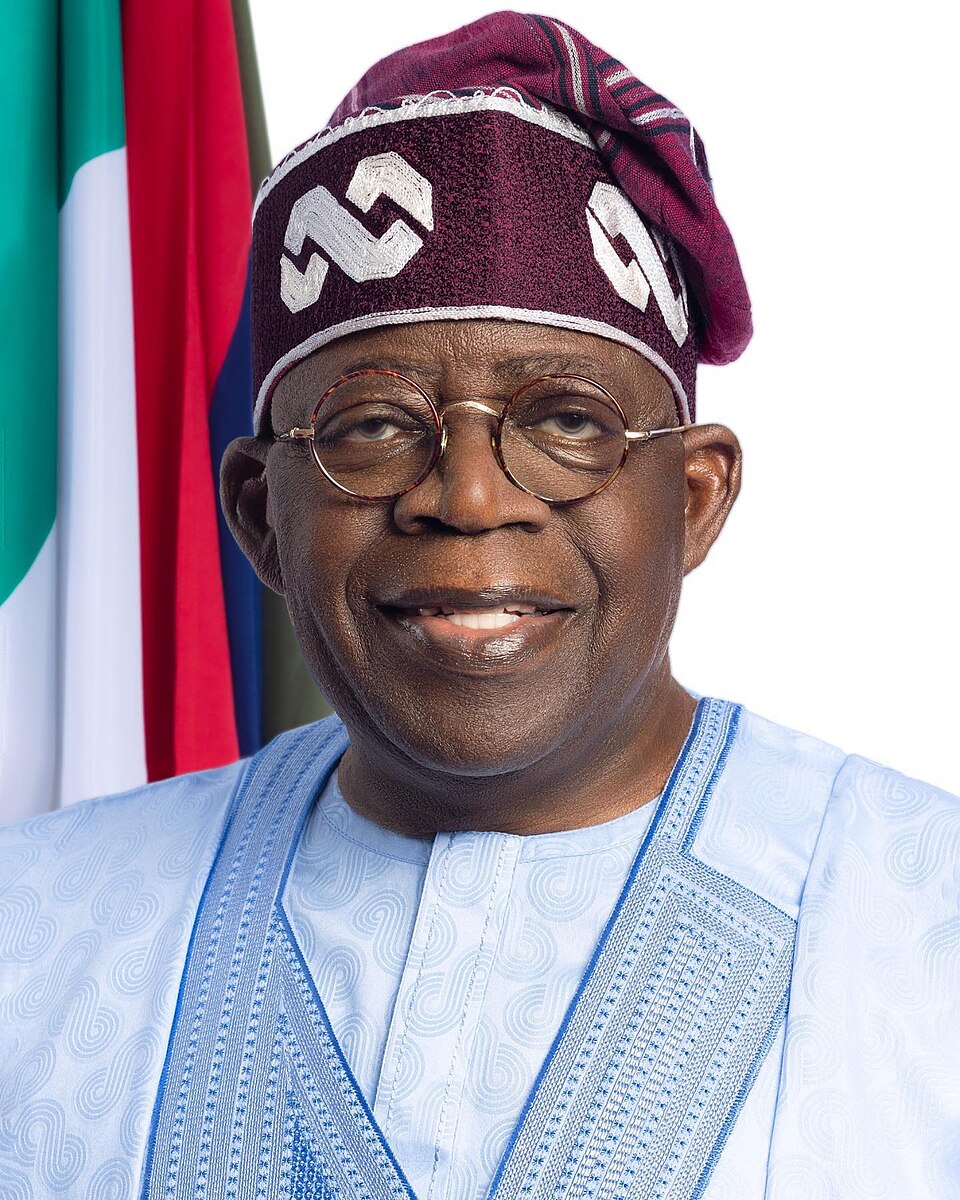
In this episode of The Other Side, Rimamnde Shawulu Kwewum takes on a rising political narrative—the claim that the North is being sidelined by President Bola Ahmed Tinubu despite giving him over five million votes in the 2023 election. #BolaTinubu #MiddleBelt #ArewaPolitics #NorthVsSouth #NigeriaElections. The comment, made earlier this week by Bashir Dalhatu, Chairman of the Board of Trustees of the Arewa Consultative Forum, has ignited debate across political circles. But what do the statistics truly reveal?
Rimamnde breaks down:
• The voting patterns in 2023, region by region
• The role of the Middle Belt in defying bloc-vote assumptions
• Historical examples from 1999, 2011, and 2015 showing how a president can still win despite rejection from dominant regions
• Why the notion of a “unified North” has always been more myth than fact From the emergence of the UMBC and the Middle Belt’s distinct political identity to the role of the NEPU movement in the First Republic, this episode offers a deep historical and statistical dive into Nigeria’s complex electoral politics.
Using facts and election data, Rimamnde questions:
• Can any single region truly claim ownership of presidential victories?
• Has the North ever acted as one political entity?
• What do the votes from South Kaduna, Plateau, Taraba, Benue, and Adamawa truly represent? The answer is not straightforward.
In 1999, President Obasanjo won the presidency despite receiving just 20% of the vote in the South West, his home region. In 2011, Goodluck Jonathan triumphed despite receiving only 31% in the North West, and being widely rejected by the core North. The numbers tell a powerful story: Nigerian elections are won not by regional loyalty, but by national strategy.
Learn why:
• President Tinubu’s lower northern numbers in 2023 do not necessarily spell political doom • Electoral victories in Nigeria are built on strategic cross-regional support
• The Middle Belt’s independent political culture has been consistent for decades
Also discussed:
• The Middle Belt identity since 1947 and its resistance to domination
• NEPU’s defiance of Northern ruling elites
• UMBC’s advocacy for regional autonomy and separate development paths Rimamnde warns that as long as political discourse remains trapped in ethnicity and religion, political decisions will reflect those divides—and they will play a major role in the next election cycle.
Final question to the audience:
Do you believe a Northern “block vote” can still determine presidential outcomes in Nigeria today?
What is your view on Bashir Dalhatu’s claim of northern marginalization under Tinubu? 💬 Drop your thoughts in the comments.
Like, share, and subscribe to Ndeya live for more political insight. Hashtags:
#BolaTinubu #MiddleBelt #ArewaPolitics #NorthVsSouth #NigeriaElections #MiddleBeltIdentity #UMBC #NEPU #ElectionData #PoliticalHistoryNigeria Join this channel to get access to perks: https://www.youtube.com/channel/UC0F3fBLsmMzNsCjtyDcT1rQ/join